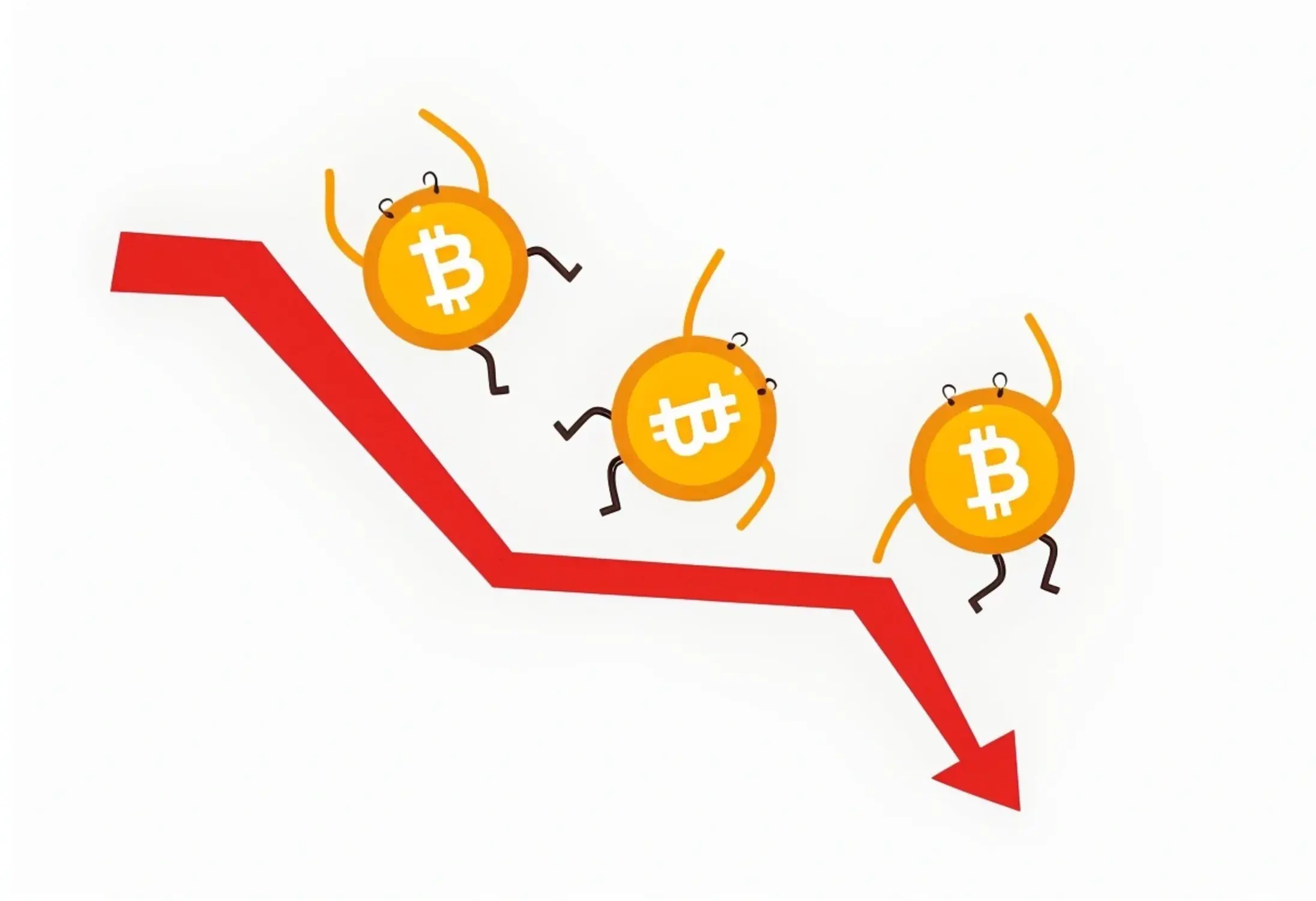









Understanding global tariff trends is crucial for Bitcoin investors as these economic policies can greatly influence Bitcoin prices. Recent political developments indicate a potential volatility in the crypto economy, and being aware of these trends can help investors make informed decisions.
Significance of Global Tariffs on Bitcoin Prices
Global tariffs can significantly impact Bitcoin prices due to their influence on overall market sentiment and investor behavior. When tariffs increase between nations, it often leads to economic uncertainty. This uncertainty can make investors wary of traditional markets and redirect their focus toward cryptocurrencies, including Bitcoin. According to a PwC analysis, there is a direct correlation between tariff announcements and cryptocurrency value fluctuations.
Historically, significant tariff changes have caused notable shifts in the cryptocurrency market. For example, when trade tensions escalated in previous years, Bitcoin often experienced price surges as investors sought refuge in digital assets. Conversely, tariff resolutions have been associated with market corrections, showcasing the delicate balance between global trade policies and Bitcoin valuations.
Current Political Environment and Its Impact
The political climate plays a pivotal role in shaping tariff policies and, by extension, Bitcoin prices. Under the Trump administration, tariffs became a prevalent topic, influencing perceptions regarding both the traditional economy and the crypto economy. During his tenure, the administration’s willingness to implement high tariffs led to increased volatility in both stock and crypto markets, affecting Bitcoin prices directly. Analysts argue that Trump’s rhetoric often energizes investor sentiment, causing sharp price movements in cryptocurrencies as seen in the Bitcoin market’s history.
For instance, trade disputes with major economies have sometimes prompted immediate reactions in Bitcoin, as investors anticipate how these conflicts might unfold in relation to Bitcoin’s perceived safe-haven status. Investing experts note that understanding these political dynamics is crucial for anticipating market movements.
Recent Price Fluctuations in the Crypto Economy
Recent trends in Bitcoin prices have illustrated the impactful relationship between tariffs and cryptocurrency markets. Bitcoin has historically demonstrated susceptibility to fluctuations following tariff announcements. In recent months, Bitcoin experienced a drastic drop in value correlating with fears of heightened tariffs as politicians debated economic policies. Market reactions can be rapid, often reflecting wider investor sentiment intertwined with economic forecasts.
For instance, notable price drops occurred when President Trump threatened to impose tariffs on specific nations, leading many to conclude that incoming tariffs could jeopardize economic stability. This reflects broader investor anxiety, where decisions are driven not just by Bitcoin fundamentals but also by external factors like trade agreements and tariff changes.
Analyzing the Trump Administration’s Economic Policies
A deep dive into the economic policies of Donald Trump’s administration reveals a consistent pattern: tariffs not only influence traditional stocks but also affect cryptocurrency valuations. Often, the uncertainty created by trade tensions spurs investors to shift their assets into Bitcoin, viewing it as a hedge against traditional market risks. According to the aforementioned PwC analysis, tariffs have historically caused significant shifts in investor behavior, ultimately shaping how cryptocurrencies are traded.
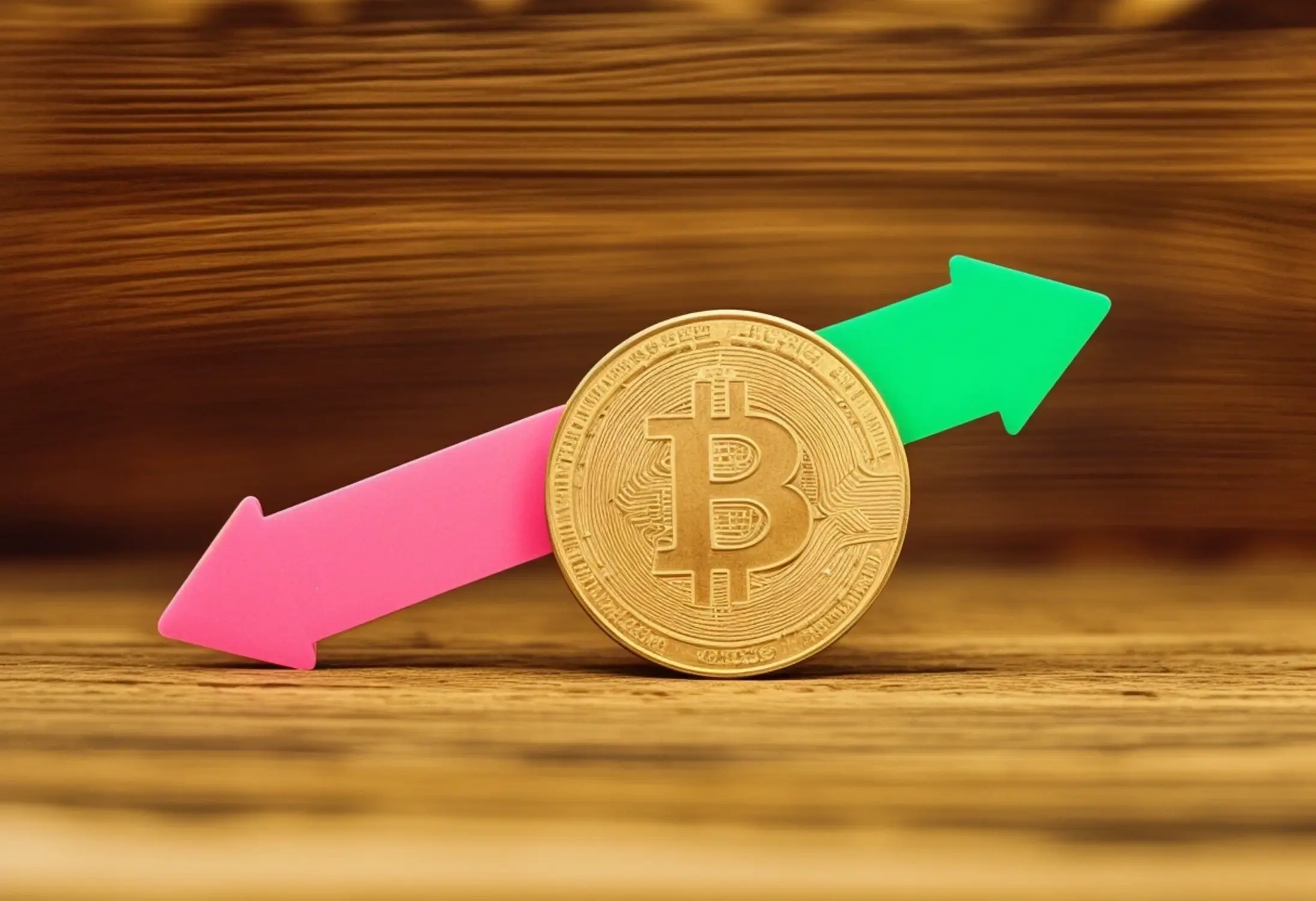
In essence, tariffs can serve as a double-edged sword—instigating volatility that can attract investment, while also creating a precarious atmosphere that can lead to quick sell-offs. As markets continue to grapple with these economic policies, the interplay between tariffs and the crypto landscape becomes increasingly pronounced.
Strategies for Bitcoin Investors Amid Tariff Concerns
In light of tariff concerns, Bitcoin investors can adopt several actionable strategies to navigate this turbulent environment. First, maintaining a diversified portfolio can help mitigate risks associated with price volatility. Furthermore, leveraging technical analysis to predict short-term movements can provide critical insights during turbulent times.
Additionally, staying informed through reliable financial news sources and engaging in community discussions can enhance one’s understanding of how tariffs may influence Bitcoin prices. Investors should utilize resources such as market trend reports and tariff updates to proactively adjust their strategies. Risk management techniques, including setting stop-loss orders and limiting exposure to volatile assets during uncertain political climates, can also provide added security.
Future Outlook for Bitcoin Prices and Tariffs
Looking forward, the ongoing trends related to global tariffs are likely to shape Bitcoin’s market trajectory significantly. As economic conditions evolve and more countries engage in tariff discussions, Bitcoin investors should remain vigilant. Potential shifts due to upcoming political changes may introduce new uncertainties, influencing trading behaviors and price dynamics. Investors are encouraged to adopt a proactive approach in anticipating these changes.
In conclusion, understanding the intricate relationship between global tariffs and Bitcoin prices is essential for navigating the complexities of the crypto economy. By staying informed and adapting to these dynamics, investors can position themselves strategically amidst potential market fluctuations.