









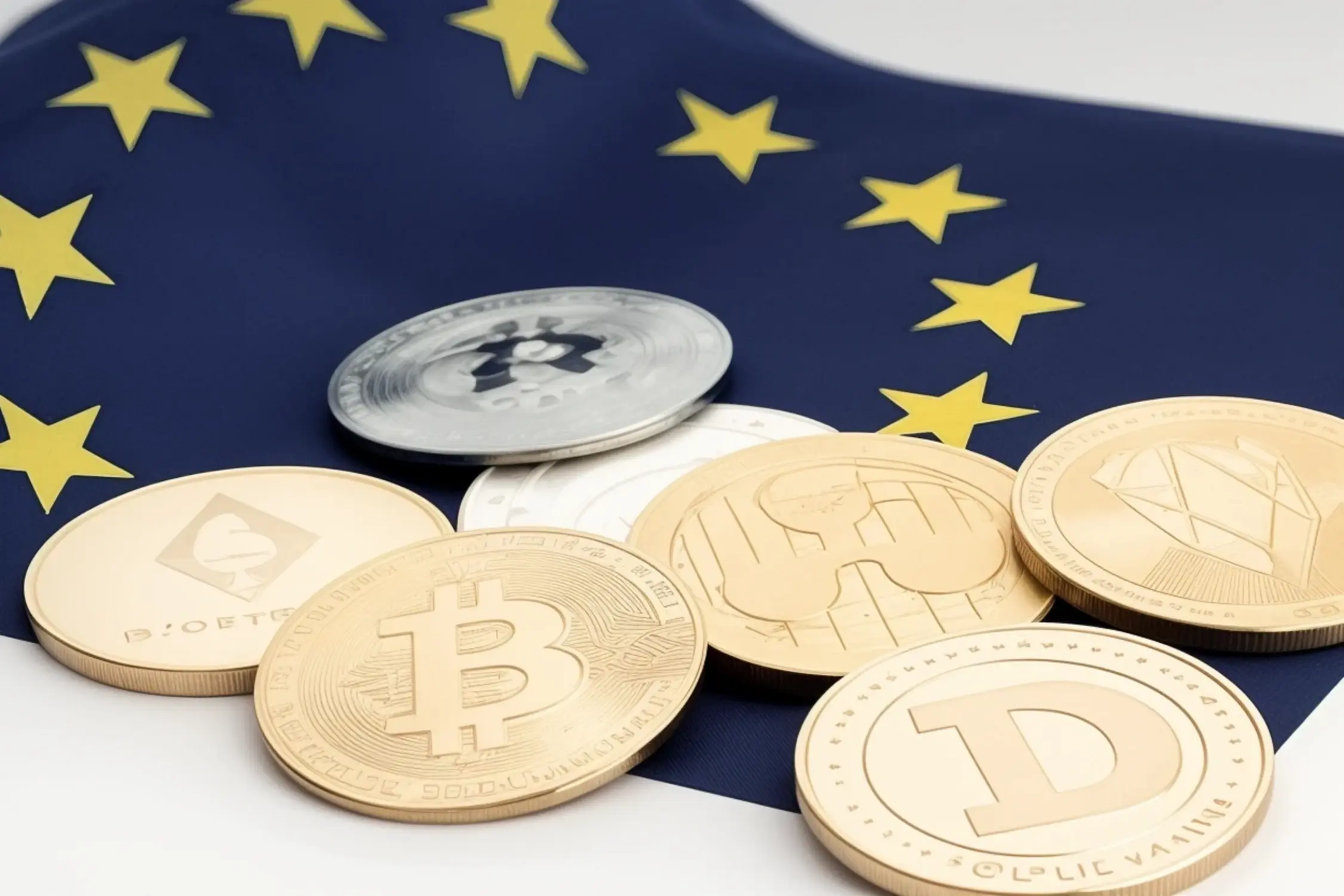
The EU’s rate cuts are poised to reshape financial landscapes, presenting unique opportunities for crypto investments in 2026. Understanding how these economic adjustments will impact the crypto market is crucial for informed decision-making in these volatile times.
Significance of EU Economy Rate Cuts Today
The recent strategies of the European Union regarding rate cuts are indicative of a broader shift in economic policies. These changes are primarily aimed at stimulating the economy and encouraging investments in alternative assets, including cryptocurrencies. Beneficial adjustments in interest rates can act as a catalyst for growth, providing a conducive environment for investment.
As noted in recent analysis, the EU’s approach signals a departure from traditional monetary policies, prompting investors to consider the ramifications of low borrowing costs. Lower rates typically encourage borrowing, leading to enhanced liquidity, which is indispensable for fostering innovation in sectors such as cryptocurrency.
A proactive understanding of these implications can empower investors to make informed decisions, particularly as markets react dynamically to these rate alterations. As the EU navigates through potential economic recovery phases, adapting investment strategies to embrace the opportunities created by these shifts will be critical.
Current State of Crypto Markets in Europe
The crypto markets in Europe are currently in a phase of adaptation. With the backdrop of EU’s economic transformations, market participants are recalibrating their strategies. The innovations prompted by rate cuts can enhance the appeal of cryptos as viable alternatives to traditional investments.
Many players in the crypto space are responding to economic indicators, and fresh regulations are emerging. Industry experts have highlighted that technological advancements in crypto are poised to thrive amid this changing landscape, with opportunities for integration of Artificial Intelligence (AI) and blockchain technology to improve efficiency and security in transactions. This evolving environment presents both challenges and opportunities for investors seeking to maximize their returns.
Impacts on Crypto Investments in 2026
Looking ahead to 2026, the implications of rate cuts are likely to materialize in the form of more favorable investment conditions. With lower borrowing costs, businesses and individual investors may find it more appealing to engage in crypto investments. This potential rise in investment activity can lead to an uptick in market capitalization across various crypto sectors, significantly changing the financial landscape.
The anticipated shifts in investor behavior will be influenced by evolving economic forecasts. For instance, forecasts point to euro area growth around 1.1 to 1.2% in 2026, which may drive more liquidity into the crypto markets. Moreover, enhanced accessibility to cryptocurrencies may attract a more diverse demographic of investors who were previously hesitant to enter this arena.

Fiscal Policy’s Role in Shaping Economic Landscape
Fiscal policies are critical in shaping the broader economic landscape and can profoundly impact investment behaviors, particularly beyond the effects of monetary policies. Infrastructure investments, which are being emphasized by the EU, are vital for bolstering economic stability. As infrastructure projects gain traction, they will likely contribute to higher overall productivity and enhance the attractiveness of investments, including in the crypto sector.
The intersection of AI and crypto also represents a significant growth area. As fiscal strategies evolve, they may facilitate developments that make it easier for cryptocurrencies to integrate into mainstream financial systems, thereby solidifying their legitimacy and utility within the economy.
Strategic Financial Advice for Crypto Investors
Navigating the changing financial conditions requires strategic financial advice tailored to the nuances of crypto markets. Investors should focus on practical strategies to leverage the advantages brought forth by EU rate cuts. For instance, conducting thorough due diligence and employing risk management techniques can be instrumental in optimizing returns amid volatility.
Investors may also explore diversifying their portfolios, investing in sectors that may benefit from the increased liquidity and accessibility driven by the rate cuts. Furthermore, fostering an understanding of the regulatory landscape will be essential, as emerging guidelines will impact investment opportunities and risk assessments.
Anticipating 2026: Trends and Predictions for Investors
As the market prepares for 2026, there are several trends to watch that are deeply influenced by the anticipated EU rate cuts. Key among these is the potential for regulatory frameworks to evolve, providing clearer guidance on crypto investments and enhancing market confidence. Additionally, the momentum gained through fiscal policies centered around infrastructure and technology investments will likely shape long-term economic health.
Investors should remain vigilant when assessing their positions in the crypto markets. Staying informed about ongoing legislative changes and emerging trends will offer keen insights into future opportunities and risks. By strategically positioning themselves now, investors can harness the impending shifts fueled by the EU’s economic adjustments.