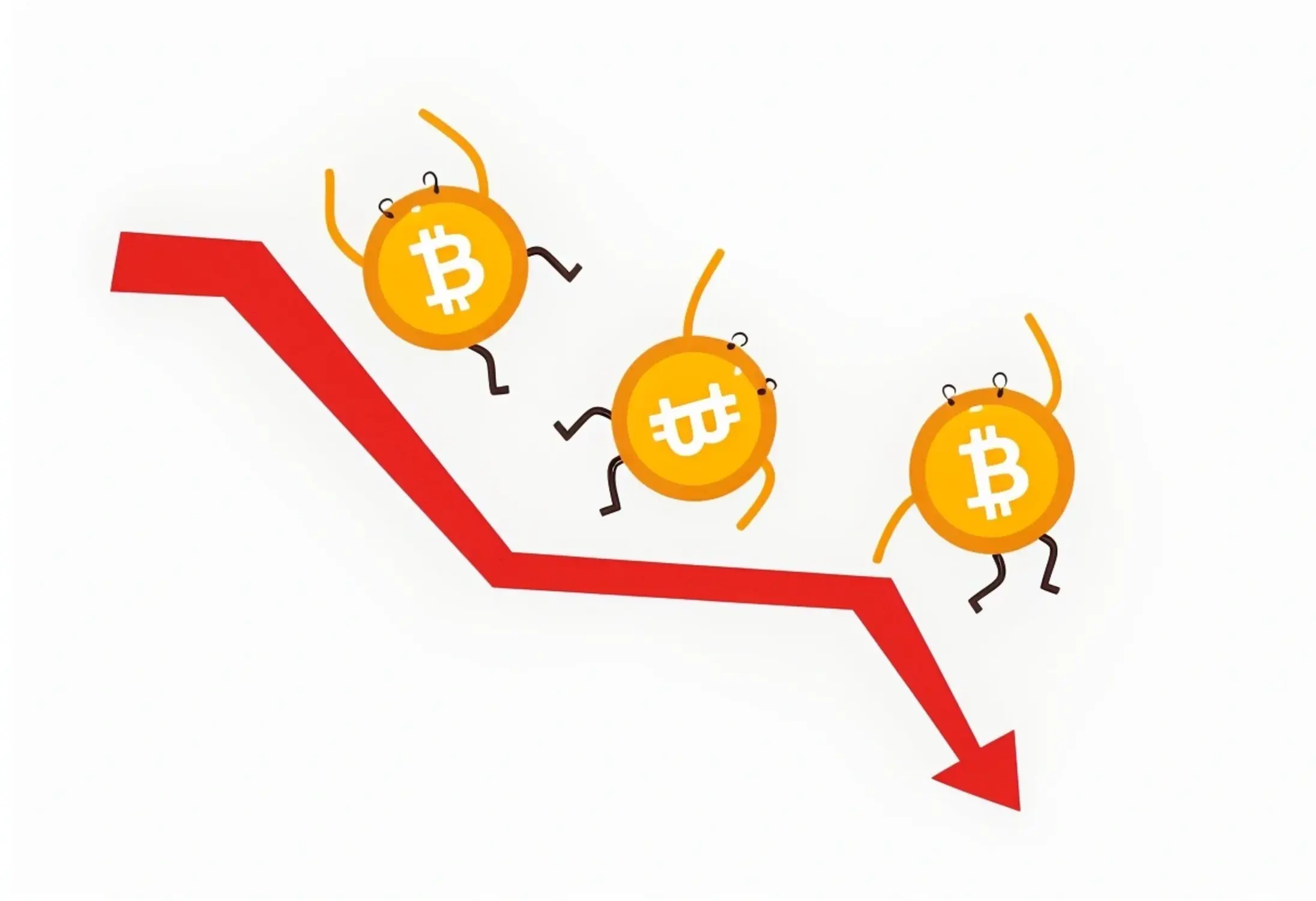











The influx of institutional investors is leading significant crypto market shifts, influencing trends towards higher sustainability and real economic value. Embracing these changes now prepares us for a more robust future where well-supported crypto assets take center stage.
Institutional Investors and Crypto Market Shifts
Institutional investors, such as hedge funds and investment firms, are increasingly entering the crypto space, which marks a notable shift in perceptions and behaviors within the market. Their presence is not just about increasing capital but also about infusing a level of legitimacy and stability that has been somewhat lacking. This shift is characterized by a cautious approach, focusing primarily on established assets like Bitcoin and Ethereum rather than unproven alternatives.
As a result, the impact of institutional investments has been noticeable in market volatility. Unlike retail investors often swayed by speculative trends, institutional players tend to approach the market with more rigorous analyses and long-term strategies. According to a recent analysis, this conservative approach leads to greater price stability, albeit at the cost of slower market movements. The focus has shifted towards viable sustainable projects, resulting in a trend of reduced investments in speculative or untested assets, which might not offer solid returns.
Current Economic Forecasts for Crypto in 2026
As we look toward 2026, predictions indicate that institutional investments will profoundly shape future market conditions. Analysts forecast that these investments will lead to an increased market maturity. This is expected as more institutional buy-in occurs, fostering greater regulatory clarity and consumer confidence. In particular, the role of Bitcoin and Ethereum is projected to solidify, as both are perceived as more stable options amidst a growing array of alternatives.
Moreover, ongoing regulatory developments will play a significant role in shaping the industry. With institutions navigating these regulations, their strategies could help guide upcoming policies, making them essential players in the evolving landscape. Industry experts predict that enhanced regulation will favor established cryptocurrencies, leaving less room for untested tokens, which have seen significant price drops according to market statistics.
Transformative Changes in the Crypto Industry
The traditional view of the crypto market as purely speculative is rapidly changing. There is now a noticeable shift from speculative investments towards more sustainable business models. This transformation seeks to attract investors looking for projects focused on real revenue generation, rather than hype-driven initiatives.
Many projects now prioritize generating tangible value through innovative solutions. For instance, DeFi (Decentralized Finance) applications have emerged as a significant area, enabling users to earn real returns on their crypto assets. This pivot not only offers a more appealing investment narrative but can also serve to engage a broader audience interested in sustainable practices.
Additionally, with price volatility affecting newer tokens, investors are showing a keen interest in projects that have a clear value proposition and sustainable revenue models. These changes indicate a more mature industry that increasingly prioritizes economic viability over mere speculative growth.

Key Insights from Recent Market Trends
Recent statistics underscore the significant impact that institutional investments have on market dynamics. Notably, price drops in 85% of new tokens post-Token Generation Events (TGE) have exposed the limitations of narrative-driven growth strategies. Investors are now more sensitive to the underlying value and potential of projects in which they choose to invest.
The market’s demand for clear value returns is evident. All these dynamics highlight the crucial conversation around a robust economic model in the crypto space. Investors are looking for assurance that their capital is backed by real-world applications and business viability. This clarity in value proposition is increasingly seen as essential for surviving and thriving in a rapidly evolving market.
Practical Steps for Future Investors
As institutional investments continue to develop, future investors must adapt their strategies accordingly. Here are some practical steps for navigating this evolving landscape:
– Evaluate Projects Based on Revenue: Focus on projects that demonstrate clear paths to revenue generation and real-world applications.
– Prioritize Sustainability: Assess the sustainability practices of crypto projects, as these factors are increasingly critical to long-term viability.
– Leverage Fintech Applications: Utilize fintech tools for effective trading and investment management, ensuring safety and ease of transactions.
By implementing these strategies, investors can position themselves to thrive in a more mature and structured market environment.
The Role of Robotics in Evolving Markets
The integration of robotics with cryptocurrency is another area garnering attention. As the gig economy evolves, robotics could play a pivotal role by streamlining operations in crypto-related businesses. The synergy between robotics and crypto technologies may foster innovative solutions to manage trading strategies and client services effectively.
This emergence paves the way for a new gig economy inspired by technological advancements that could reshape how transactions are processed and managed. Opportunities abound at the intersection of these industries, potentially leading to new career paths and project developments that align with the trends of institutional investment.
Preparing for Future Institutional Trends in Crypto
As the landscape continues to shift, adapting investment strategies in line with these trends is crucial. Staying informed about market developments allows investors to anticipate changes and seize opportunities promptly. Engaging with communities advocating for sustainable crypto practices can also provide valuable insights into emerging trends and sound investments.
In preparing for the future, investors will be better equipped to navigate the evolving terrain of the crypto markets. Understanding institutional trends not only enhances investment strategies but also promotes the development of a more robust crypto ecosystem.