










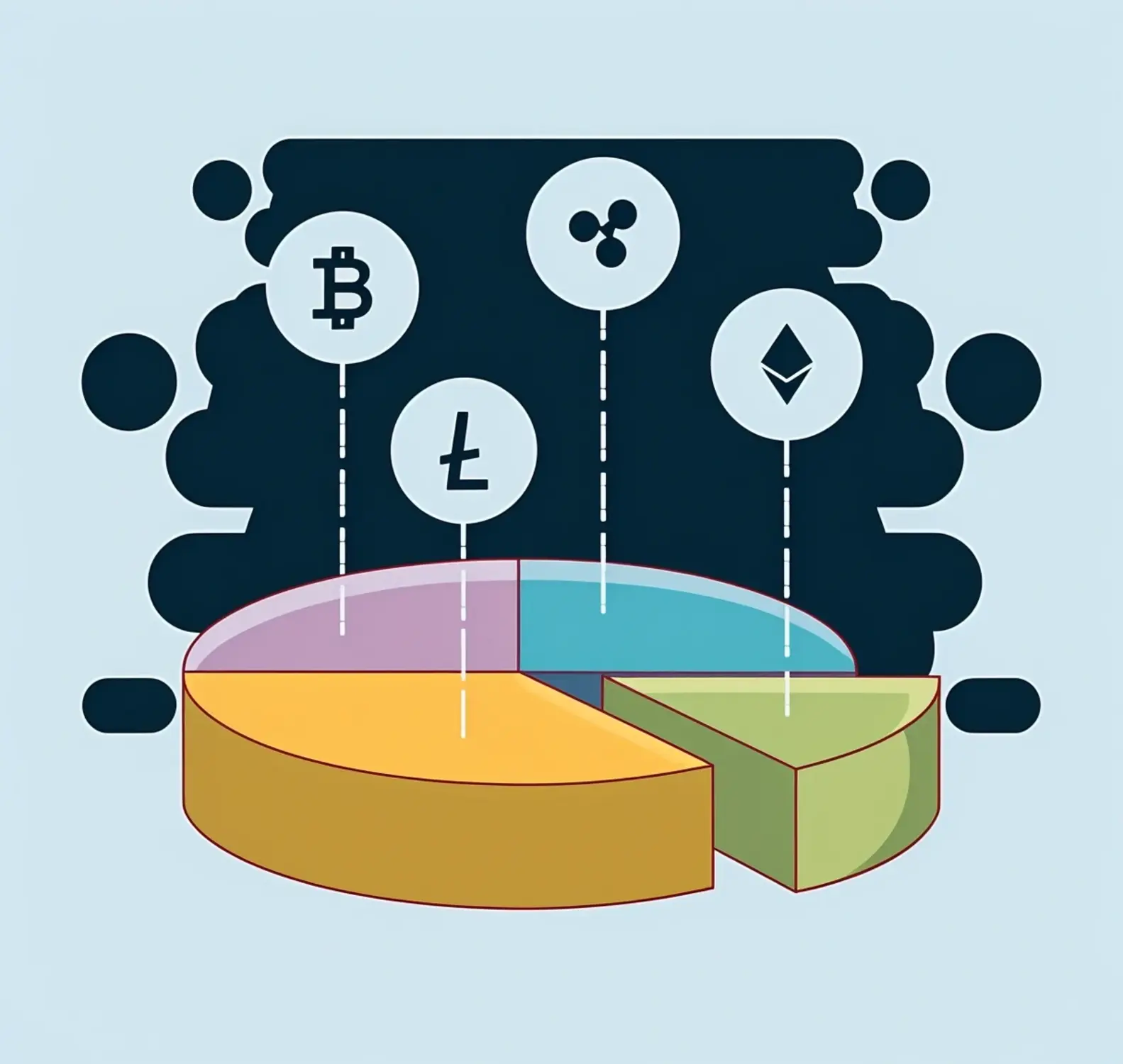
In an ever-shifting crypto economy, stablecoins emerge as pivotal players, providing a semblance of reliability and security for crypto investments. Understanding their role could reshape our approach to the market and enhance our strategic decisions right now.
The Uncertain Landscape of Cryptocurrency Markets
The cryptocurrency ecosystem is synonymous with volatility, running on the twin engines of investor enthusiasm and rapid technological advancements. This unpredictability manifests itself in dramatic price fluctuations, often influenced by rumors, regulatory announcements, or market sentiment. For instance, Bitcoin’s price can experience significant swings within hours, leading to concerns about market instability and the potential erosion of investor confidence. According to a recent report, addressing these dynamics is crucial for fostering a more stable crypto environment.
The primary factors driving these fluctuations include speculation, technological changes, and external economic conditions. Additionally, the emotional nature of trading in the crypto markets can exacerbate volatility, leading to reactions that may disconnect price movements from fundamental value. Thus, understanding volatility and its underlying factors becomes essential for navigating the crypto landscape effectively.
How Stablecoins Maintain Market Stability
Stablecoins have been designed specifically to combat the extreme volatility characteristic of cryptocurrencies. By pegging their value to a stable asset, such as the US dollar or gold, they provide a reliable cryptocurrency option that investors can trust. This stabilization mechanism allows users to lock in their crypto profits or hedge against market downturns without exiting to fiat currency.
There are several types of stablecoins, including fiat-collateralized, crypto-collateralized, and algorithmic stablecoins, each using different mechanisms to maintain their value. Fiat-collateralized stablecoins, for instance, are backed by a reserve of cash or cash-equivalents, ensuring liquidity in times of market stress. Comparatively, other cryptocurrencies may exhibit extreme volatility or still risk eroding an investor’s financial safety. Observing this dynamic, experts assert that stablecoins can be the cornerstone of more stable crypto investments as seen in industry trends.
The Role of Financial Regulation in Crypto Economy
Financial regulation plays an essential role in shaping the trajectory of stablecoins and the broader cryptocurrency market. Regulatory frameworks help create a more predictable environment for innovation while ensuring consumer protection. Recent developments in regulations indicate a shift towards better governance of stablecoins, with countries and organizations worldwide recognizing their potential for enhancing market stability.
For example, regulators have begun scrutinizing stablecoins for their compliance with anti-money laundering (AML) and know-your-customer (KYC) laws, ensuring that these digital assets are not used for illegal activities. Such measures may become more widespread, introducing a balance between the necessity of innovation and the demand for secure cryptocurrency interactions. By engaging with these regulatory frameworks, stablecoins can improve their standing and contribute positively to the overall market stability.
Reliable Cryptocurrency Options for Investors
When considering reliable cryptocurrency options, stablecoins lead the list in terms of trust and usability. Major stablecoins like Tether (USDT), USD Coin (USDC), and Dai have gained traction within the crypto community. Evaluating reliable cryptocurrencies involves examining their backing assets, regulatory compliance, and community support.
Investors should also be aware of the risks associated with stablecoin investments. Issues such as regulatory uncertainty, market adoption risks, and technological vulnerabilities can pose challenges. Therefore, it’s critical for investors to conduct thorough research and continuously track the evolving market conditions, which influence not only stablecoins but the broader crypto economy.

Insights from Current Market Trends
Current trends indicate a dynamic shift towards stablecoin adoption as more investors recognize the importance of maintaining stable value during market fluctuations. Recent analysis shows an increased volume of transactions involving stablecoins, as they offer a convenient bridge between volatile assets and fiat currency. An example of this burgeoning trend can be seen in businesses and exchanges increasingly relying on stablecoins for liquidity and operational efficiency.
The evolving market sentiment further illustrates this point, as investors begin to view stablecoins as integral to their portfolios. Case studies of successful stablecoin implementations in various industries reveal their effectiveness in addressing volatility and providing reliable payment solutions, enhancing their utility in both the crypto economy and global commerce.
Building a Stable Investment Portfolio
Integrating stablecoins into an investment strategy offers various advantages, particularly for those seeking resilience during turbulent market phases. Investors ought to assess the benefits and drawbacks of stability when considering their crypto assets, ensuring their portfolios maintain a balanced risk profile.
A prudent approach would involve diversifying into stablecoins while leveraging their inherent properties to reduce exposure to more volatile assets. Investors must remain vigilant, constantly reassessing their strategies to adapt to the changing dynamics within the crypto market. As the landscape continues to evolve, so too should our investment methodologies, incorporating stablecoins for greater security.
Conclusion: Navigating the Future of Stablecoins
The role of stablecoins in the crypto landscape is increasingly significant as we navigate the complexities of market volatility. Investors need to adapt to ongoing changes, understanding the implications of using stablecoins to bolster their portfolios. As informed financial decisions shape the future of cryptocurrency investments, the importance of education and adaptability cannot be overstated. Stablecoins may indeed anchor reliability within this ever-volatile economy, creating opportunities for growth and stability.