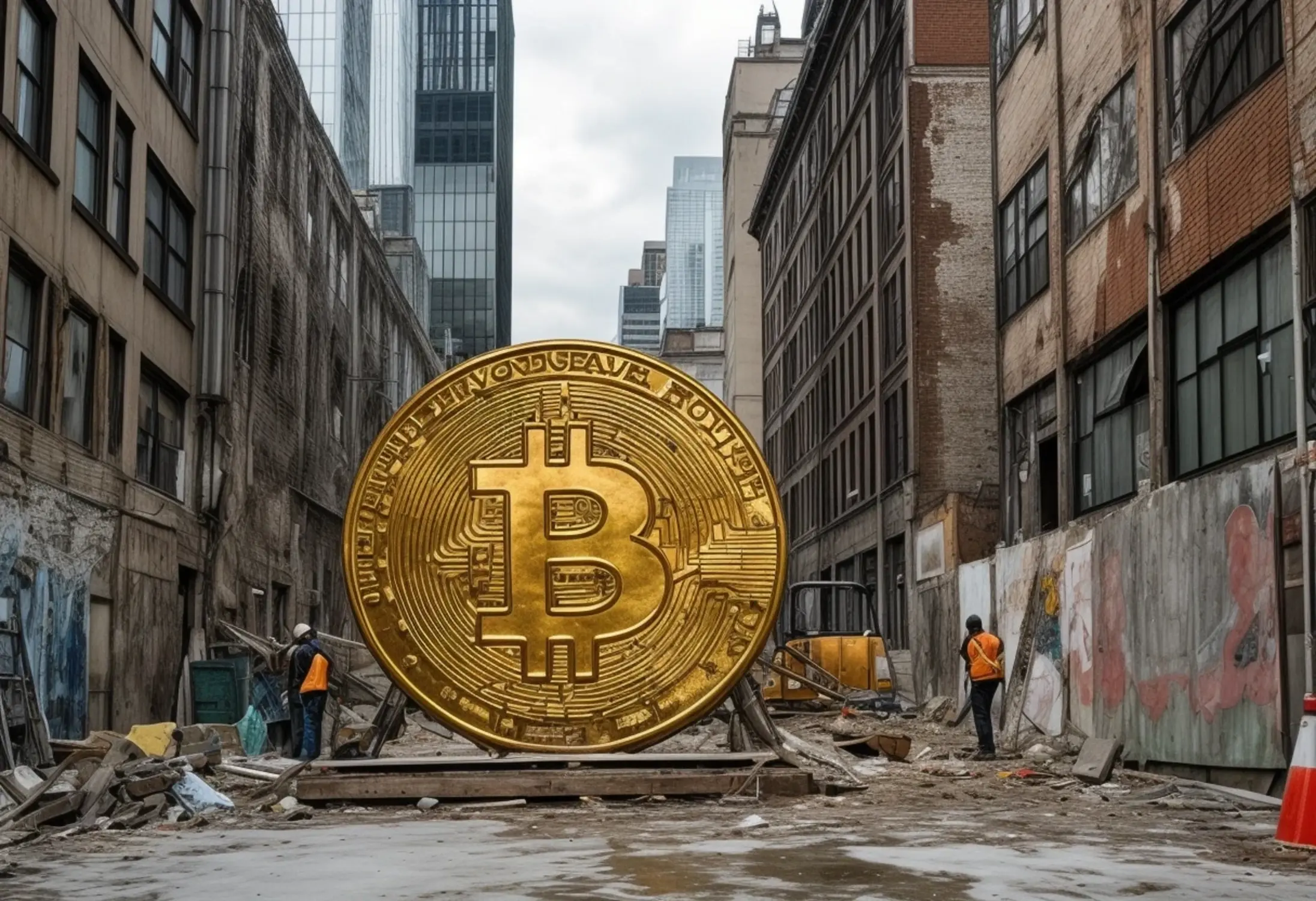









The crypto market is experiencing significant fluctuations, raising essential questions about the impact of crypto volatility on investing strategies amidst rising inflation. As inflationary pressures mount, understanding how cryptocurrencies like Bitcoin can function as a hedge is crucial for investors navigating uncertain economic waters.
Crypto Volatility and Its Impact on Investors
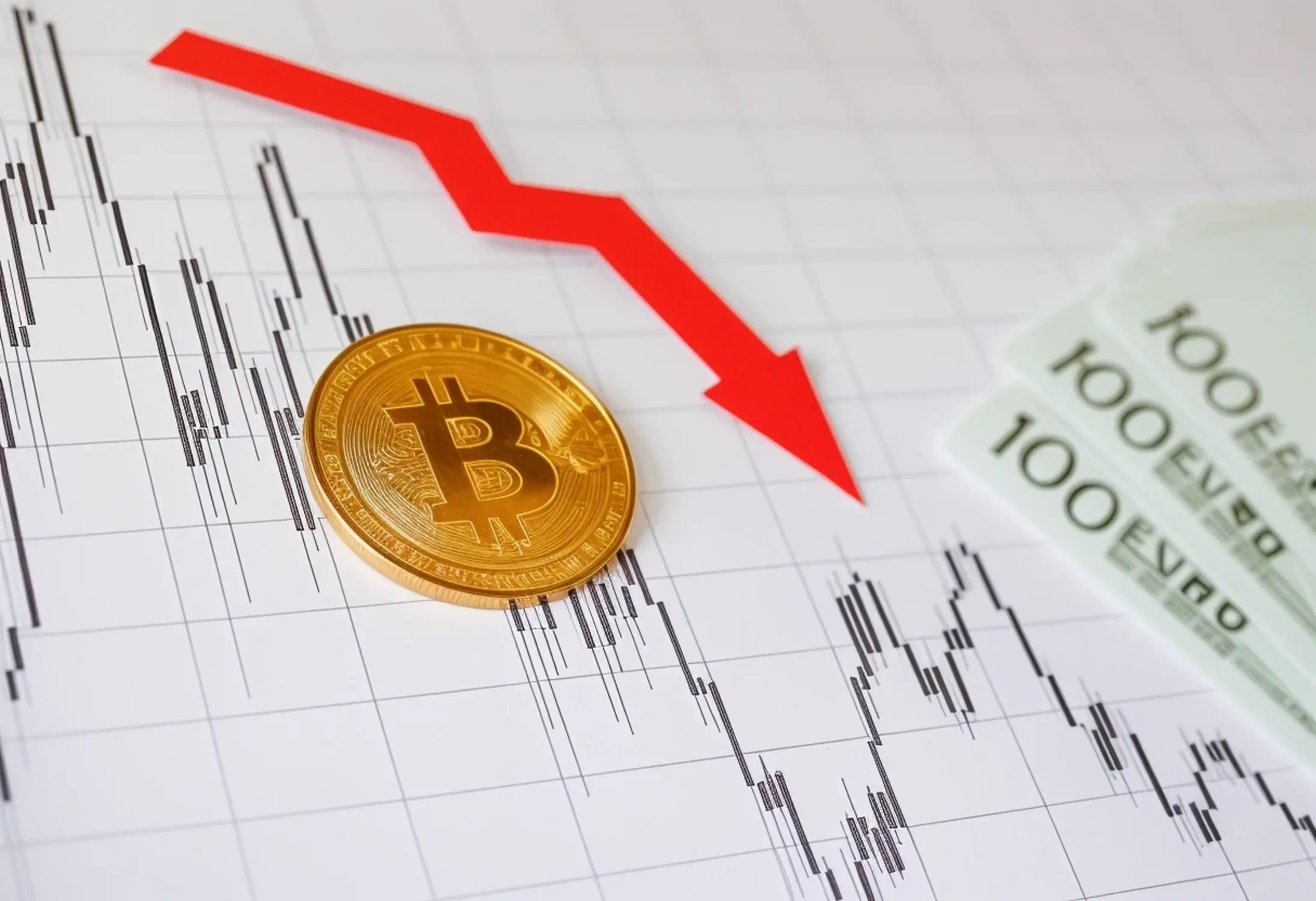
The current state of crypto markets is characterized by extreme price fluctuations. These swings often reflect broader economic trends and sentiments, particularly as inflation continues to rise. For instance, many investors are reconsidering Bitcoin’s status as a hedge against inflation due to its unpredictable nature. While some view Bitcoin as “digital gold,” providing a safe haven in economic turmoil, others see it primarily as a risk asset. This dual perception complicates investment strategies, as many investors feel uncertain about Bitcoin’s long-term viability in inflationary conditions. The recent downturn, where Bitcoin dropped significantly, illustrates this market volatility.
Bitcoin’s Volatility and Perception
Bitcoin’s volatility greatly affects investor confidence. During periods of economic uncertainty, such as the recent market fluctuations, many investors adopt a cautious stance, fearing that the cryptocurrency might not perform well as an inflation hedge. As noted by financial analysts, the skepticism surrounding Bitcoin’s ability to retain value is echoing throughout the market, leading many to reassess their investment strategies. Given these dynamics, understanding Bitcoin’s role as a risk asset is crucial for making informed investment decisions.
The Role of Bitcoin in Today’s Economy
Bitcoin’s status as a potential hedge against inflation is increasingly relevant in today’s economic landscape. Often referred to as “digital gold,” Bitcoin’s valuation can be influenced by macroeconomic trends such as supply chain disruptions and monetary policy shifts. Data from recent market analyses indicate that Bitcoin and other cryptocurrencies are becoming more correlated with traditional risk assets during times of economic stress. This correlation can challenge the notion of Bitcoin as an inflation hedge. Specifically, analytical reports have shown that when inflation rates rise, Bitcoin often experiences volatility, raising questions about its reliability as a protective asset against inflation.
Macroeconomic Trends and Valuation
Macroeconomic trends are pivotal in shaping Bitcoin’s valuation. As described by some economic experts, the ongoing geopolitical uncertainties and global economic challenges can lead to fluctuations in Bitcoin prices. In light of these factors, investors need to monitor economic indicators that influence crypto volatility closely. Reports suggest that inflationary pressures may not only affect Bitcoin’s current standing but also its future as a hedge against inflation, making diligent observation essential for crypto investors.
Risk Assets and Their Performance During Inflation
Risk assets are typically characterized by their potential for higher returns coupled with higher volatility. Bitcoin and cryptocurrencies fit into this category, especially when juxtaposed against traditional assets like stocks and bonds. Historically, during inflationary periods, traditional assets have shown more stability compared to cryptocurrencies. For example, data indicates that during the last significant inflation surge, Bitcoin struggled to maintain its value against rising inflation rates, leaving many investors questioning its effectiveness as a hedge. Ultimately, understanding the behavior of risk assets in volatile markets can provide critical insight for crypto investors navigating their portfolios during these turbulent times.
Investor Sentiment Toward Cryptocurrencies
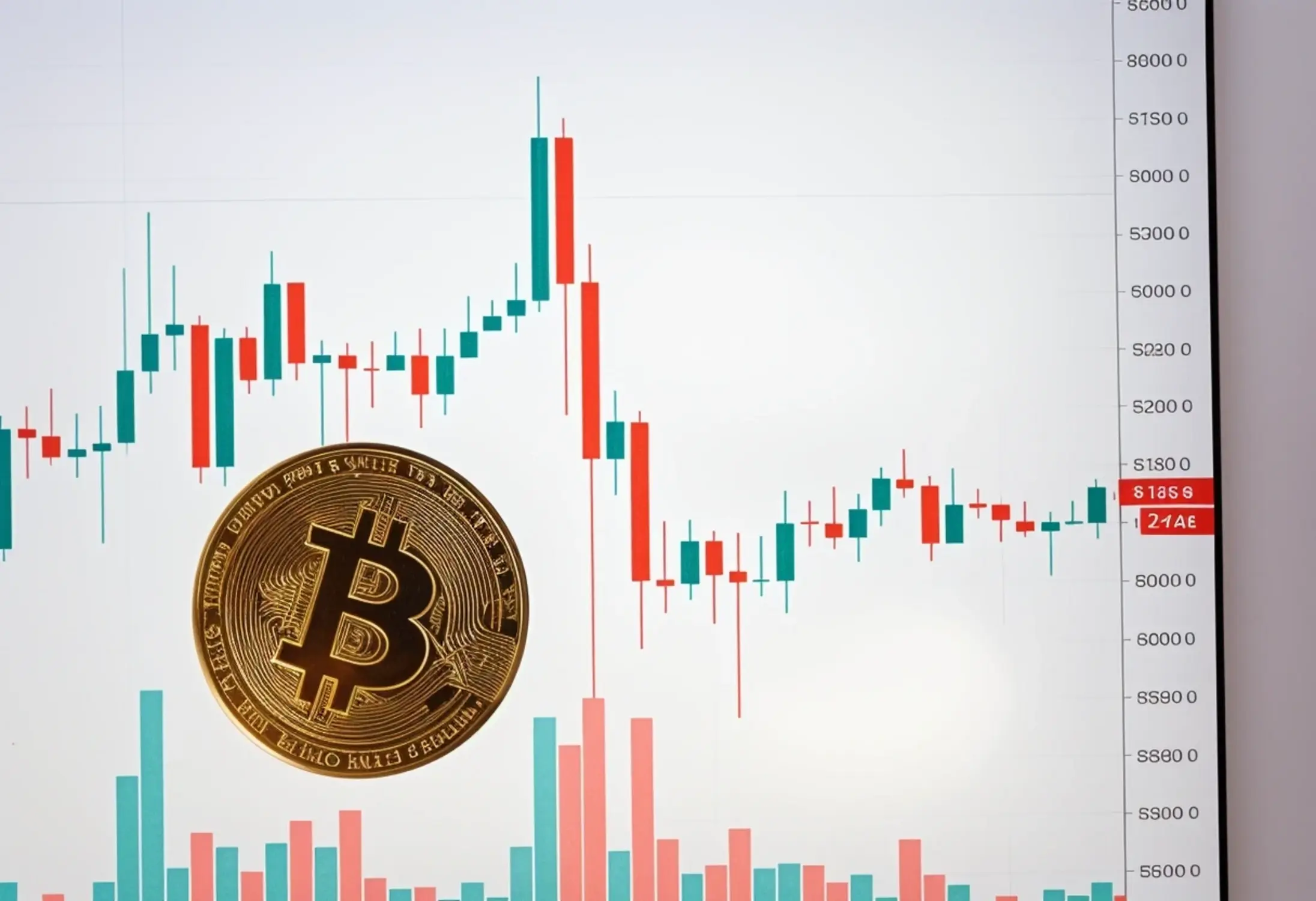
Investor sentiment fluctuates significantly during economic downturns. Recent surveys reveal that many investors view cryptocurrencies as speculative, especially under economic stress. This sentiment often results in rapid sell-offs, leading to volatility. For example, during a recent downturn in the cryptocurrency market, Bitcoin’s value experienced dramatic declines, reflecting a broad retreat from risk assets as investors remained cautious amid market corrections.
Economic Factors Driving Crypto Markets Today
Several key economic indicators influence crypto volatility. Factors such as inflation rates, unemployment figures, and interest rates play vital roles in shaping investor behavior in the crypto space. Additionally, recent geopolitical uncertainties, such as trade tensions and global conflicts, exacerbate market fluctuations, forcing investors to reevaluate their positions. With inflationary pressures mounting, understanding the connections between these economic indicators and crypto volatility is critical for making informed investment decisions.
Trends Affecting Investor Decisions
Current market trends indicate that inflation fears are impacting how investors view cryptocurrencies. When inflation rates rise, many gravitate towards traditional hedges like gold, viewing Bitcoin with skepticism. Thus, while Bitcoin may still appeal to a segment of investors, a broader understanding of how economic factors shape investor decisions in the crypto space is essential for successful investing.
Strategies for Investing in Crypto During Inflation
For investors looking to navigate the volatile crypto markets, developing effective strategies is paramount. Here are some actionable approaches:
– Diversification: Spread investments across various cryptocurrencies to mitigate risk.
– Dollar-Cost Averaging: Invest a fixed amount regularly, minimizing the impact of volatility.
– Risk Management: Establish strict loss thresholds to protect investments during downturns.
With expert insights continually emerging, revising and adapting investment strategies based on market conditions is crucial. Crypto investing during inflation can be daunting, yet practical strategies can significantly enhance the chances of success.
Future Prospects for Cryptocurrencies
The future of cryptocurrencies in the context of inflation remains uncertain yet promising. Emerging trends such as technological advancements and increased institutional adoption could bolster their role as a hedge against inflation. Regulatory frameworks will likely shape the market, affecting how cryptocurrencies are perceived and utilized. Furthermore, as consumer behavior evolves, the adoption of cryptocurrencies may accelerate, impacting their long-term value and market stability. Overall, while challenges persist, the potential for cryptocurrencies to play a significant role in inflation hedging remains.