











As Bitcoin continues to rise in prominence, its implications for the US dollar’s dominance are becoming increasingly significant. Understanding the dynamics of Bitcoin vs US dollar is essential for grasping potential shifts in global economic power.
The Impact of Bitcoin on Global Fiat Currencies
Bitcoin represents a powerful challenge to traditional fiat currencies, particularly the US dollar. Unlike traditional currencies, which governments control, Bitcoin operates on a decentralized network empowered by blockchain technology. This fundamental difference raises questions about the future of fiat currencies, as currencies backed by state authority face the risk of devaluation amid economic instability. According to recent reports, analysts posit that if Bitcoin gains sufficient mainstream adoption, it could threaten the dollar’s role as the world’s reserve currency.
The relationship between Bitcoin and fiat currencies is multifaceted. Bitcoin provides an alternative for individuals seeking privacy or trying to evade government control over assets. Countries experiencing hyperinflation or significant financial turmoil encourage citizens to adopt Bitcoin as a stable alternative. Thus, the implications for currency stability and trust cannot be understated; countries with weak currencies might see increased Bitcoin use as citizens search for financial sanctuary.
Understanding Bitcoin vs US Dollar Dynamics
When comparing Bitcoin to the US dollar, significant differences arise regarding stability, production, and valuation. The US dollar is a fiat currency, meaning its value is derived from government decree and economic stability, while Bitcoin’s value is determined by market demand and mining mechanics. The Bitcoin network allows for a limited supply, which is programmed to be capped at 21 million coins. This controlled scarcity can contribute to increased value over time, as supported by trends in economic valuation.
Factors contributing to Bitcoin’s growing acceptance range from increasing institutional investment to emerging payment systems integrating cryptocurrency. For instance, enterprises like Tesla and companies accepting Bitcoin payments boost its visibility and acceptance in mainstream business. Consequently, this increase in adoption can lead to diminished confidence in the US dollar as more individuals view Bitcoin as a viable alternative for transactions.
Current Economic Trends in Cryptocurrency Adoption
Recent trends indicate a significant shift in demographics around Bitcoin adoption. As millennials and Generation Z embrace digital currencies, the younger generation is reshaping the landscape of investments. Economic conditions also influence this adoption trend, as traditional investment avenues become increasingly volatile due to geopolitical tensions and inflationary pressures.
In emerging markets, these conditions can give rise to a profound shift in consumer behavior. Rather than relying solely on local fiat currencies, many individuals are turning to cryptocurrencies as a hedge against economic uncertainties. Additionally, the COVID-19 pandemic catalyzed interest in digital payments and contactless transactions, ushering in an era where cryptocurrencies like Bitcoin become integrated into daily financial experiences.
Regulatory Challenges Facing Bitcoin
Despite its growing acceptance, Bitcoin must navigate complex regulatory hurdles. The US government is actively assessing policies that could profoundly impact Bitcoin and the wider cryptocurrency market. Regulatory bodies aim to establish frameworks that mitigate risks associated with illicit activities while ensuring consumer protection.
Government policies play a pivotal role in shaping the future landscape of Bitcoin. For example, proposed legislation could tax Bitcoin transactions or impose reporting requirements on exchanges. These ambitions often clash with Bitcoin’s ethos of decentralization and privacy. As highlighted by industry observations, regulatory clarity could either facilitate Bitcoin’s growth or stifle innovation, creating uncertainty within the market.
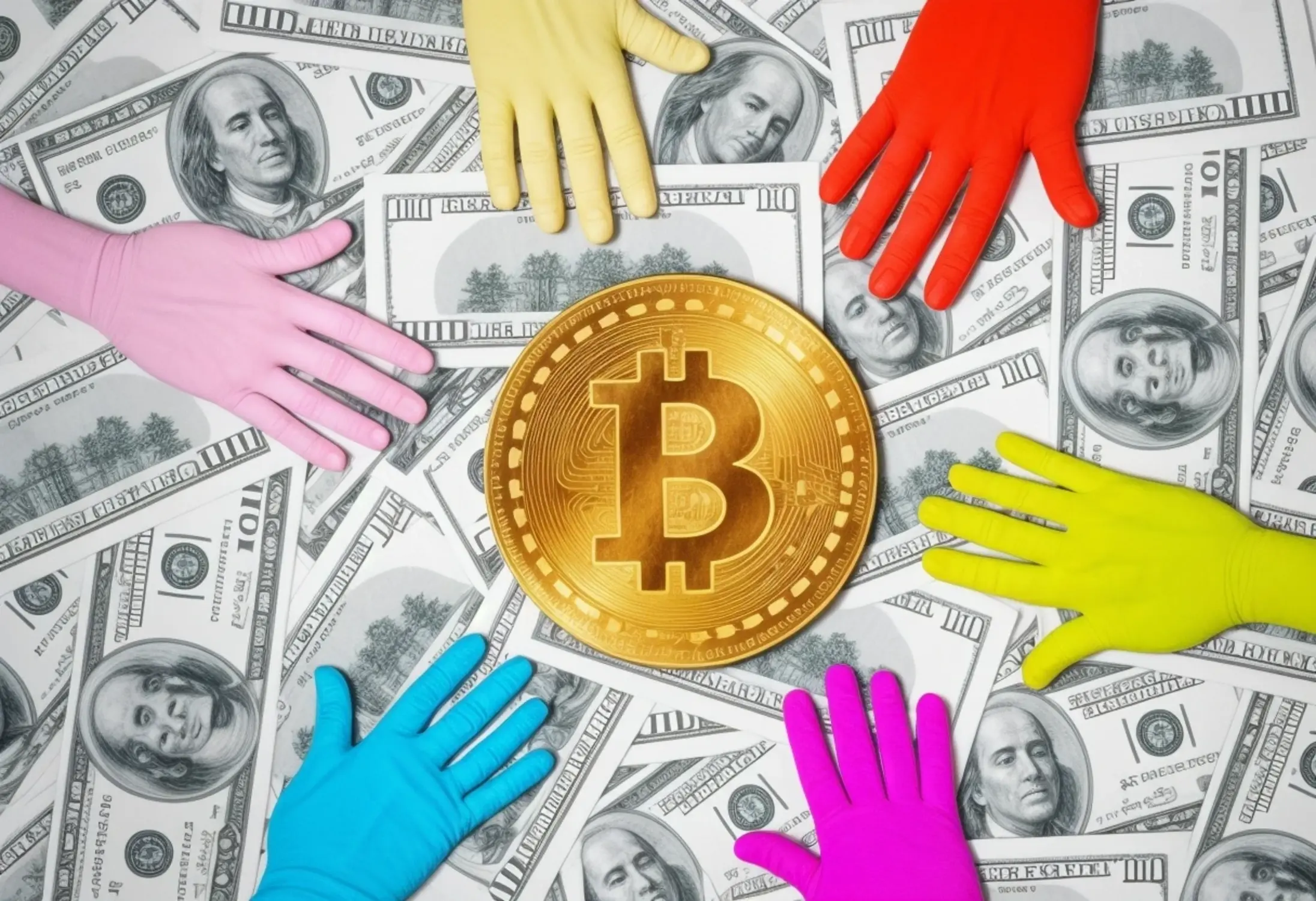
The US Economy’s Response to Cryptocurrency Innovations
The US economy is gradually adapting to the advent of cryptocurrency. As adoption rates rise, monetary policies must evolve to consider the implications of digital currencies on inflation and economic stability. The Federal Reserve is already weighing the potential impact of cryptocurrencies on its policy decisions.
There are concerns that widespread cryptocurrency adoption could disrupt traditional banking systems, prompting central banks to rethink their digital currency strategies. A balancing act between innovation and regulation is essential. While fostering a secure environment for investors, it’s crucial to remain open to technological advancements that cryptocurrencies bring to the financial sector.
Practical Steps for Individuals Navigating the Cryptocurrency Landscape
For individuals looking to invest in Bitcoin responsibly, understanding the basics of cryptocurrency is vital. It’s essential to assess one’s risk tolerance and seek diversified investment avenues rather than putting all funds into Bitcoin alone. Staying informed about economic trends, regulatory changes, and Bitcoin market movements can provide critical insights for prudent investment decisions.
Additionally, various resources are available for those eager to comprehend cryptocurrency risks. Online platforms, education forums, and financial advisors can offer insights and guidance tailored to individual circumstances. Armed with knowledge and insight, investors can navigate the complex landscape of cryptocurrency and make informed choices.
The Future Landscape of Transactions with Bitcoin
Speculating on the long-term effects of Bitcoin reveals an intriguing future for transaction systems. As Bitcoin matures, potential integrations with traditional financial systems may emerge, allowing for a coexistence of fiat and cryptocurrencies. The evolution of blockchain technology suggests that innovations could lead to faster, cheaper transactions across borders.
Emerging technologies, such as the Internet of Things (IoT) and Artificial Intelligence (AI), may further reshape the cryptocurrency market. These advancements could enhance security and streamline transactions, ensuring Bitcoin’s relevance in an increasingly digital economy. Ultimately, Bitcoin presents transformative possibilities, prompting us to rethink conventional transactions in a rapidly evolving financial landscape.