









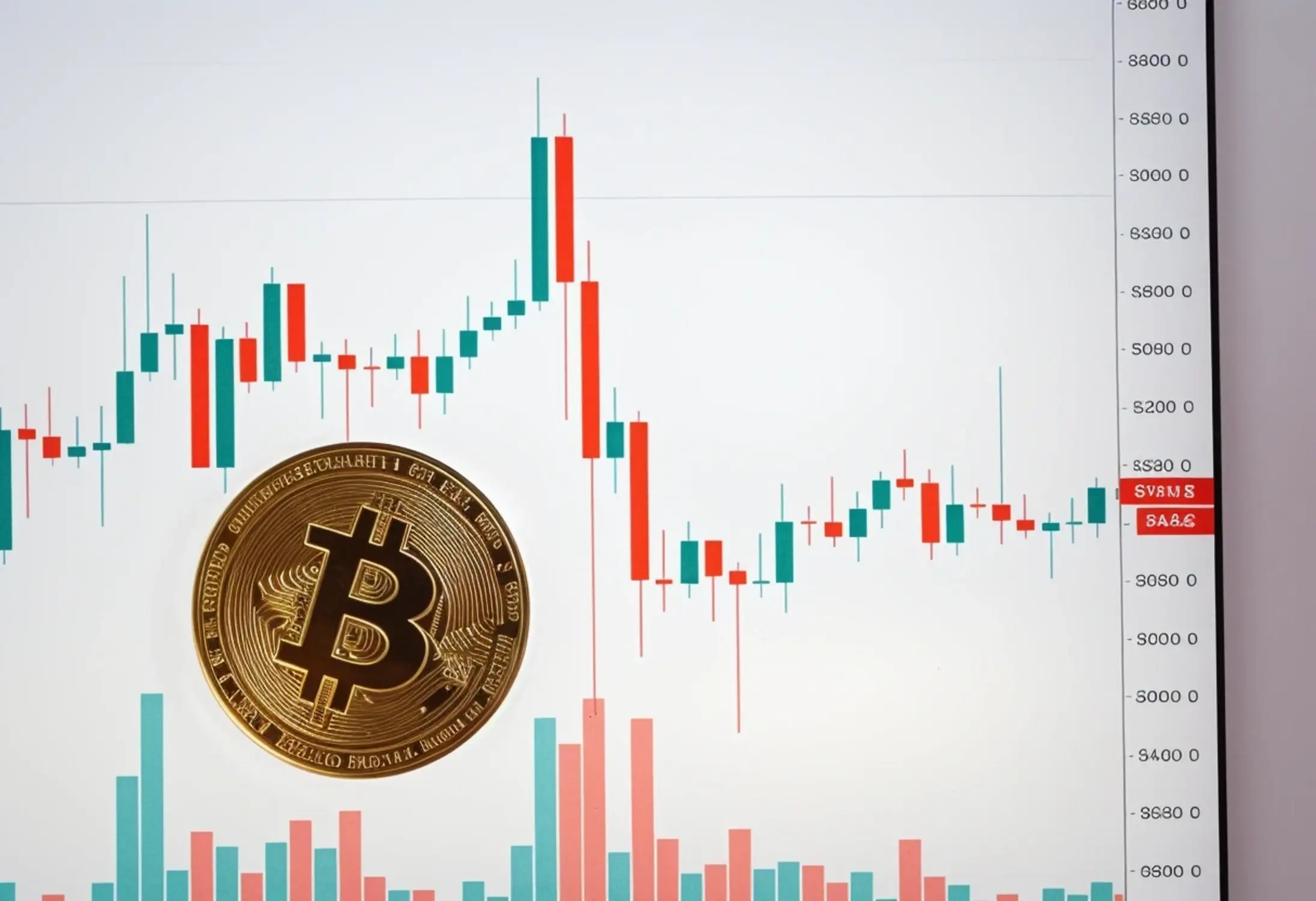
The recent Bitcoin market correction provides critical insights into market psychology, illuminating how investor behavior changes during price drops. Understanding these dynamics is more important than ever as we navigate a volatile cryptocurrency landscape.
Bitcoin Market Correction and Its Psychological Impact
Bitcoin’s price drop can trigger a variety of emotional responses among investors. Fear and greed are two powerful emotions that heavily influence trading decisions. When a price correction occurs, as seen with Bitcoin recently, fear can lead to panic selling, causing prices to drop further. Conversely, moments of recovery often ignite greed, encouraging investors to jump back into the market, seeking profits.
Understanding investor sentiment is crucial during such fluctuations. According to recent reports, the emotional responses during corrections tend to follow predictable patterns, often amplified by social media and news cycles. This cyclical nature reflects broader market psychology, as investors react not just to price changes but also to each other’s behaviors.
Market corrections reveal the vulnerability of even seasoned investors when faced with uncertainty. Emotional trading can lead to large-scale sell-offs, as demonstrated in the February price drop of Bitcoin, where panic-selling led to substantial losses for both short-term and long-term holders. Understanding these emotional triggers is essential for any investor wishing to navigate Bitcoin’s volatile waters successfully.
Factors Behind Recent Bitcoin Price Drop
Analyzing the contributors to Bitcoin’s recent price decline reveals several key factors. Market liquidity played a significant role, as reduced liquidity during corrections can exacerbate price drops. External economic factors, such as rising interest rates or geopolitical instability, often lead to heightened caution among investors. These sentiments can prompt mass sell-offs, adding fuel to the fire of declining prices.
For instance, certain events, like regulatory announcements or influential tweets, have historically influenced Bitcoin’s market value. The drop below $69,000 is a stark reminder of how quickly market dynamics can shift due to unexpected news, underscoring Bitcoin’s interconnectedness with broader market trends, including impacts from altcoins and institutional flows, as highlighted by the recent downturn’s analysis.
Investors must remain aware of how these external conditions can influence not only Bitcoin but the entire cryptocurrency market. The broader economic backdrop can significantly affect investor confidence and market momentum, so understanding these interactions is vital for effective market analysis.
Crypto Market Trends During Corrections
Examining historical patterns of Bitcoin corrections helps place the current trends into context. Bitcoin has gone through numerous price declines in the past, often followed by eventual recoveries. Notably, each correction tends to be associated with specific market behaviors that can be categorized for analysis.
When comparing current trends with past behaviors, one can observe that Bitcoin corrections often lead to similar repercussions for other cryptocurrencies. As Bitcoin dropped in price, significant sell-offs were reported in Ethereum, Solana, and others, demonstrating the ripple effects throughout the market. This interconnectedness illustrates not only how Bitcoin serves as a bellwether for the crypto market but also how corrections can drive investors toward or away from other assets.
Additionally, transitional phases often emerge during corrections, where investors realign their strategies based on perceived market health. As seen in past corrections, these shifts can either stabilize or destabilize the market as participants react to each other’s fears and actions.
Market Analysis: What the Data Reveals
Utilizing data analytics is essential to understand the timing and dynamics of Bitcoin corrections. Key metrics indicate market health during downturns, such as trading volumes, price volatility, and the number of active addresses. Observing these metrics can provide insights into where the market may be heading post-correction.
For instance, substantial realized losses calculated during Bitcoin’s recent downward trend were estimated at around $1.5 billion daily during peak selling moments, reflecting mass capitulation among investors. According to analysis from industry experts, these capitulation events showcase how selling pressure varies based on investor sentiment and time intervals.
By examining historical data on Bitcoin’s corrections and recoveries, analysts can formulate strategies to anticipate future fluctuations. The past can be a teacher, helping investors identify patterns that might emerge in subsequent price adjustments, ultimately promoting more informed decision-making.
Economic Impact on Bitcoin and Investors
The broader economic implications of Bitcoin price changes cannot be overstated. Macroeconomic factors such as inflation rates, government regulations, and overall market confidence significantly influence Bitcoin’s market dynamics. For example, periods of economic uncertainty often lead to increasing interest in Bitcoin as a hedge against inflation. Contrarily, in stable periods, Bitcoin might experience downward pressure as investors feel secure in traditional investments.
Moreover, the long-term impacts of significant price corrections can affect investor confidence. Sharp declines often lead to skepticism and reduced participation in the market, particularly among novice investors. This dynamic can create a cycle where diminished interest further exacerbates downturns, leading to a challenging environment for recovery.
Understanding these economic interactions is vital for investors looking to maintain a balanced perspective while navigating Bitcoin’s volatile market. Investors must recognize how macroeconomic indicators influence market psychology and adjust their strategies accordingly.
Strategies for Navigating Bitcoin Market Corrections
During periods of volatility, having a robust strategy is essential for navigating market corrections effectively. Investors should assess their risk tolerance and make informed decisions based on current market conditions. One effective strategy involves setting predefined entry and exit points, guided by market analysis and emotional indicators.
Additionally, diversifying one’s investment portfolio can reduce exposure to Bitcoin’s price volatility. Incorporating a mix of cryptocurrencies and traditional assets can help balance overall risk. Here are actionable tips for investors:
– Stay informed: Monitor market trends and news to make real-time decisions.
– Set limits: Establish stop-loss and profit-taking orders to automate your trading strategy.
– Practice patience: Avoid impulsive decisions during market swings and stay focused on long-term goals.
By developing these strategies, investors can better navigate the emotional terrain that often accompanies market corrections while fostering a more balanced approach to trading.
Future of Bitcoin After Market Corrections
As we look ahead, the future of Bitcoin post-correction remains a topic of significant interest. Predictions regarding Bitcoin’s recovery suggest potential resilience in its value. Historical data indicates that the cryptocurrency frequently bounces back, benefiting from renewed interest and institutional support.
Discussions among analysts also emphasize the potential long-term trends for Bitcoin investors. While corrections can be painful, they also serve as reminders of the volatile nature of the market, keeping investors vigilant and informed. The lessons learned from these corrections assist in shaping future strategies and expectations, ultimately allowing for a more comprehensive understanding of Bitcoin’s evolving role in the financial landscape.
In conclusion, Bitcoin’s recent market correction not only sheds light on investor psychology but also reveals the intricate dynamics influencing the cryptocurrency market as a whole. Understanding these elements is crucial for navigating the complexities of investing in Bitcoin today.