










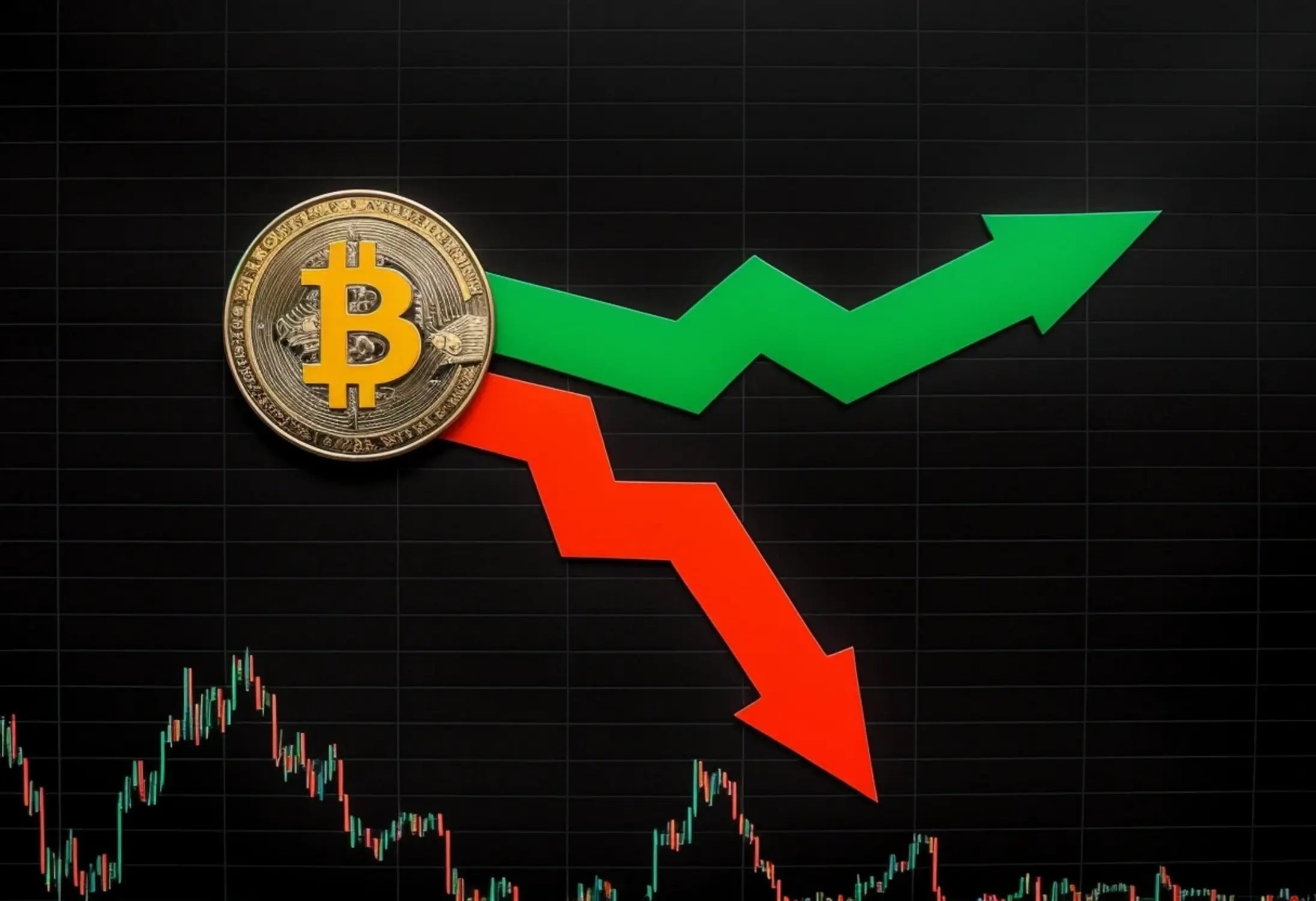
The current Bitcoin downturn raises alarms for investors and the global economy, as its plummeting value could lead to a financial crisis. With warnings from experts like Michael Burry, we need to understand the implications of this crisis on our economic landscape.
Economic Repercussions of Bitcoin’s Decline
Bitcoin’s downturn significantly affects market confidence. Investors typically view Bitcoin as a benchmark for the cryptocurrency market, and a sharp decline sends ripples across various financial sectors. When Bitcoin loses value, it can lead to heightened volatility in both cryptocurrency and traditional markets. Investors may panic, withdrawing investments and causing drops in related stocks, particularly for companies with significant Bitcoin holdings.
This reaction can be observed through examples from past downturns, where declines in Bitcoin prices often resulted in a chain reaction affecting public companies’ stock values. For instance, when Bitcoin fell over 40% from its all-time highs of approximately $120,000, many companies reported significant dips in their market capitalizations as confidence waned (recent reports).
Additionally, the implications of these downturns can contribute to a general economic slowdown. As investors experience fear and uncertainty, public and private investments can freeze, leading to decreased spending and, consequently, potential recessions across markets. Thus, it’s essential for market participants and policymakers to monitor the ongoing Bitcoin downturn closely, as its cascading effects on the global economy could prove dire.
The Concept of a Death Spiral Explained
The term ‘death spiral’ in cryptocurrency refers to a self-reinforcing loop where declining prices lead to selling pressure, further lowering valuations. This cycle was notably highlighted by Michael Burry, who indicated that the continued decline of Bitcoin could lead to disastrous outcomes for anxious investors overexposed to cryptocurrencies.
In such scenarios, the lack of confidence can trigger a systemic risk where investors sell off their Bitcoin to cover losses. This behavior exacerbates the decline in prices and can lead to liquidations across the market as automated systems kick in to sell holdings to meet margin calls. As prices drop, fear breeds further panic selling, contributing to a rapid descent often called a ‘death spiral.’
Investors who hold too much of their assets in digital currencies, especially Bitcoin, are particularly vulnerable. If a significant portion of the market faces such selling pressure simultaneously, the effects could reverberate through the broader economy, causing ripple effects that widen beyond cryptocurrency losses.
Current Trends in the Cryptocurrency Market
Recent trends accompanying the Bitcoin downturn show a concerning pattern of rising volatility. Investor sentiment remains fragile, and as Bitcoin continues to decline, exchanges are seeing increased trading volumes, exacerbated by fear-driven selling. This current phase reflects a recurrent aspect of the cryptocurrency market: rapid rises followed by steep declines. Past downturns often led to significant corrections, and this trend may follow suit.
Public companies heavily invested in Bitcoin are also starting to feel the heat. For example, various firms have reported declines in their stock values in direct correlation with Bitcoin’s price drops. Reports indicate that as Bitcoin slid nearly 14% in 2026 alone, companies faced significant investor backlash, which could undermine market performance and diminish future investment outlooks (according to industry experts).
This current downturn challenges the long-standing narrative of cryptocurrencies as resilient assets. Instead, it underscores the need for sustained market education and the understanding of inherent risks associated with investing in highly volatile assets. Investors must remain vigilant about market conditions, trends, and regulatory changes that could impact their portfolios.

Expert Insights on Cryptocurrency Impact
In the face of the ongoing downturn, insights from financial analysts like Michael Burry are invaluable. Analysts warn that a prolonged downturn in Bitcoin prices could risk triggering broader financial instability. Reports emphasize that significant losses in Bitcoin could spill over into other asset classes, particularly in metals and commodities (experts note). For example, as Bitcoin prices falter, metals markets could see fluctuations as investors shift their focus toward more stable investments.
Statistics pointing to Bitcoin’s dramatic price shifts reveal a rough market terrain. For example, Bitcoin’s recent drop not only affects its investors but raises alarms across sectors that depend on stable investments. The fear of ‘sickening scenarios’ brewing in the market suggests a profound need for investor awareness and risk management strategies in these unpredictable economic times. In an environment that combines uncertainty and volatility, a strategic approach becomes essential for navigating potential downturns.
Strategies for Investors During Economic Uncertainty
In response to the ongoing Bitcoin downturn and broader economic uncertainties, investors are encouraged to take a diversified approach to their portfolios. Spreading investments across various asset classes can mitigate risk. This strategy helps guard against the adverse effects of a downturn in any single sector, especially with cryptocurrencies’ unpredictable nature.
Cautionary measures should be taken to avoid overexposure to cryptocurrencies, particularly Bitcoin. Investors would benefit from setting clear limits on their crypto investments and regularly reviewing their portfolios. Staying informed about market changes allows for timely adjustments that could protect against significant losses.
Furthermore, developing a robust risk mitigation strategy is crucial. This involves setting stop-loss orders and regularly monitoring market trends to identify any emerging threats. Such proactive measures equip investors to react effectively to sudden market shifts while ensuring that their overall investment strategy remains sound.
The Future Outlook: What Lies Ahead for Bitcoin and the Economy
Looking to the future, analysts speculate about multiple scenarios regarding Bitcoin’s stability and the concurrent global economic impact. Should Bitcoin manage to stabilize, it might catalyze a renewed interest from institutional investors. Conversely, if the decline continues, we could expect regulatory scrutiny to increase, potentially resulting in new regulations that aim to protect investors and stabilize the market.
Such regulatory changes might alter the cryptocurrency landscape, either encouraging safe trading practices or driving more investors away due to increased complexity. Anticipating a shift in investor behavior is also key — as cryptocurrencies face mounting pressures, an important pivot toward traditional assets could take place.
In summary, the outcomes remain uncertain, but ongoing vigilance and preparedness are essential as the implications of Bitcoin’s downturn unfold. Investors should adapt to the evolving landscape, ensuring that they remain responsive to market developments while implementing sound investment strategies to safeguard their assets.