











The energy consumption resulting from crypto mining in Texas has escalated into a crisis, affecting the economy and everyday residents alike. The CFTC Initiative to modernize regulations is crucial in striking a balance between innovation and sustainability within the digital asset sector. The state’s power grid faces unprecedented challenges, making regulatory reform urgent and necessary.
Energy Consumption: A Growing Concern in Texas
Texas is home to a burgeoning crypto mining industry, with energy consumption soaring to alarming levels. Large cryptocurrency mining operations in the state consumed more electricity in 2024 than one million Texas homes combined, burning through roughly 14.7 million megawatt-hours of power. This staggering figure corresponds to about 3% of all electricity produced on the state’s power grid that year, underscoring the scale and impact of these operations on Texas’s energy landscape, according to recent reports.
Texas’s power grid was built primarily for industries and homes, not for energy-intensive operations like crypto mining. As mining facilities continue to proliferate, their demands strain the grid, leading to potential energy shortages. This situation is particularly worrisome as Texas approaches its peak energy usage periods, raising concerns about reliability and sustainability. Future energy strategies must account for this growing demand while preserving the integrity of the state’s power infrastructure.
CFTC Initiative: Navigating the Regulatory Landscape
The CFTC Initiative, launched by Chairman Mike Selig, aims to modernize U.S. financial regulations to better accommodate digital assets and emerging technologies. In a landscape characterized by rapid developments, Selig emphasizes the importance of tailored regulations that reflect the advancements in blockchain and artificial intelligence, which are transforming the financial services sector. A shift from traditional regulation by enforcement to a more proactive framework is essential, thus fostering an environment conducive to growth while ensuring that risks are managed effectively.
By recognizing the unique challenges presented by digital assets, the CFTC is positioned to steer the conversation around crypto regulations towards a more innovative direction. This is particularly crucial as the industry evolves, making adaptive regulatory frameworks a necessity rather than an inconvenience. The integration of these regulations will be vital for supporting innovation while safeguarding the economy against potential crises stemming from unregulated growth.
Economic Growth vs. Energy Crisis
The relationship between economic growth and energy consumption in Texas is complex. While crypto mining presents significant economic benefits, such as job creation and investment in local communities, the associated energy demands cannot be overlooked. Increased mining activity exacerbates pressures on local resources, risking energy shortages that could lead to higher costs for residents.
There lies a challenge in finding a balance between harnessing the economic potential of the crypto industry and managing its energy consumption. The realization of substantial economic benefits must not come at the expense of everyday Texans, who are burdened with rising electricity bills and the threat of energy deficits. Striking this balance is critical, particularly as the state aims to position itself as a leader in the crypto space while ensuring that growth is sustainable and equitable.
Texas Power Grid Under Pressure
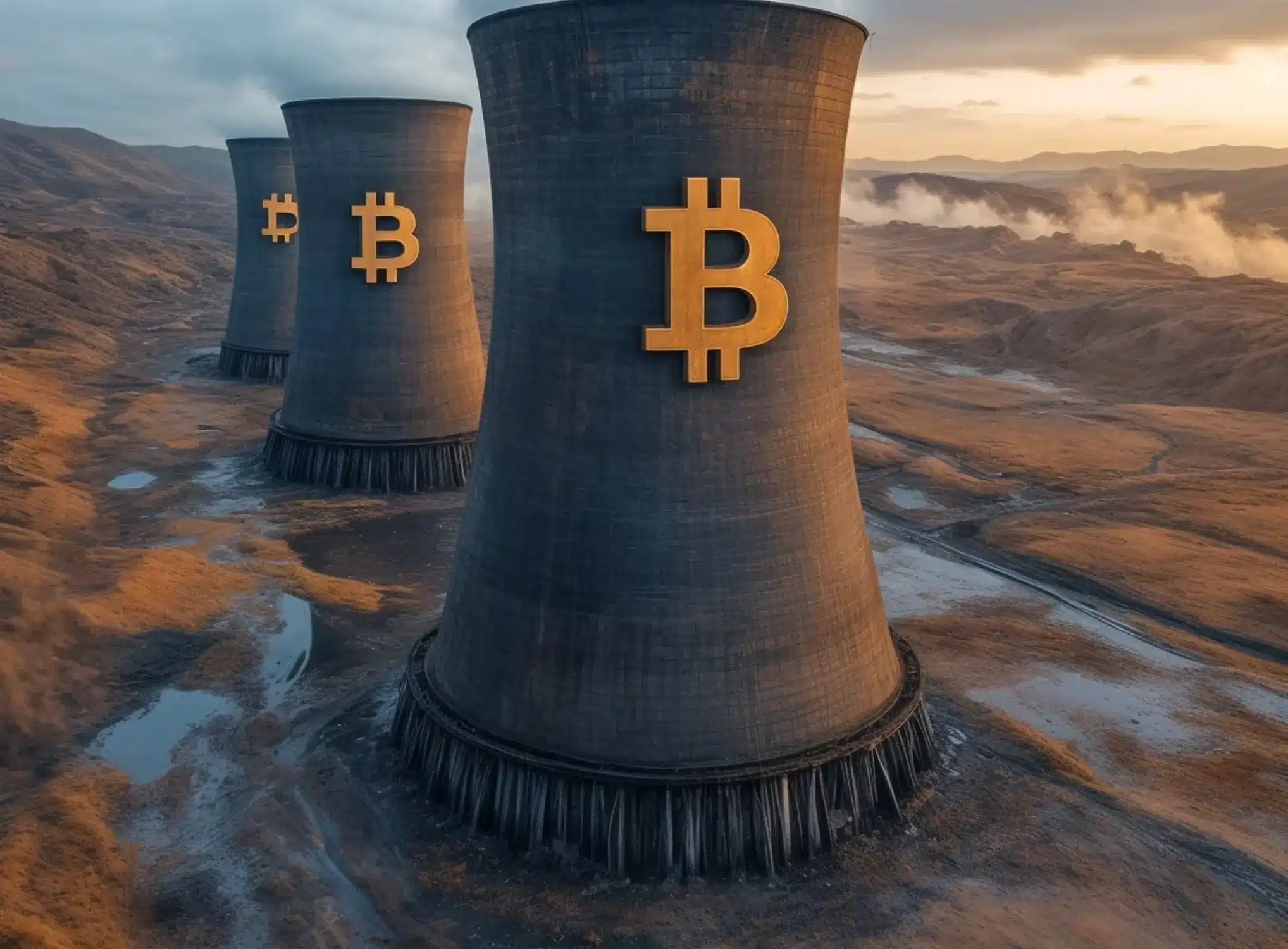
The impact of crypto mining on the Texas power grid has become increasingly evident, with mining operations exerting significant pressure on energy resources. As more miners enter the scene, the state’s energy consumption patterns shift, leading to potential grid instability. The situation has reached a level where the state must reevaluate its energy strategies to accommodate both current and future demands.
Statistics indicate that the proportion of energy usage attributable to crypto mining is substantial. The strain on the power grid not only poses risks to energy availability but also has direct implications for electricity costs. As utility providers grapple with increased demand, these costs may inevitably be passed on to consumers, further fueling discontent among residents. Understanding the dynamics at play is crucial for stakeholders aiming to devise effective responses that maintain grid reliability while promoting responsible mining practices.
Future-Proofing Through Regulation
For the crypto industry to thrive sustainably, proactive regulations must be established. A well-structured regulatory environment can facilitate transparency and accountability, addressing the uncertainties surrounding crypto mining’s energy consumption. This approach gives stakeholders the tools to navigate the evolving landscape while aligning their interests with broader societal priorities, as noted by industry experts.
The goal should be to create an adaptable regulatory framework that not only addresses current challenges but also anticipates future developments. By fostering collaboration between miners, regulators, and residents, a more balanced and equitable landscape can emerge. This will not only safeguard energy resources but also provide clear guidelines that support safe and responsible innovation in the crypto sector.
Innovation and Sustainability in Crypto
Innovation and sustainability are at the heart of finding solutions within the crypto mining sector. As the industry evolves, there are increasing efforts to develop technology that enhances energy efficiency. Examples include innovations in cooling technologies for mining rigs and renewable energy sources such as solar and wind being harnessed to power operations.
These advancements reflect a growing awareness within the community regarding the environmental impact of crypto mining and the need for sustainable practices. Embracing greener methodologies can transform the industry’s image while reducing its carbon footprint. Furthermore, with appropriate regulation in place, such innovations can thrive, ensuring that Texas can capitalize on the technological opportunities presented by the digital asset sector without compromising its energy resources.
The Path Forward: Solutions for Stakeholders
The path forward for Texas’s crypto mining landscape involves actionable steps for both regulators and the crypto industry. Collaboration is key, fostering a dialogue among miners, regulators, and the community to identify common ground and mutual benefits. Initiating transparent discussions can lead to more informed decision-making and regulations that encourage responsible practices.
Suggestions for community involvement in the regulatory process include hosting public forums that allow residents to voice their concerns and share insights on energy consumption issues. Moreover, industry stakeholders should advocate for best practices that prioritize energy efficiency and sustainability. Ultimately, working together, all parties can contribute to a future where innovation and responsible energy use coexist.