










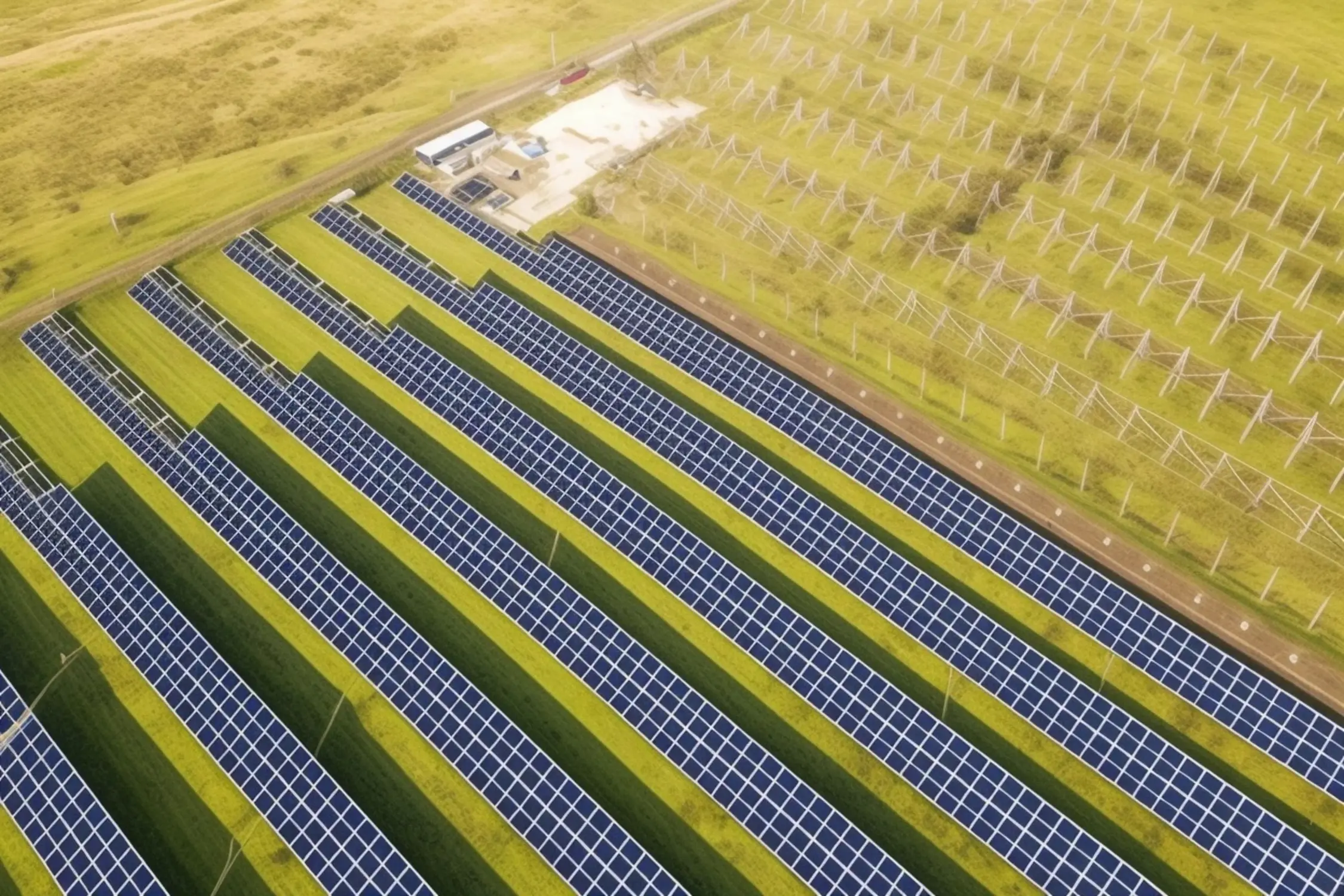
Agrivoltaics presents an innovative solution for farmers seeking economic growth by merging agriculture and clean energy. As demand for sustainable farming practices rises, understanding this approach’s potential can significantly impact economic value in the farming sector.
Importance of Agrivoltaics for Modern Agriculture
Agrivoltaics integrates solar energy with crop production, revolutionizing the farming landscape. By installing solar panels on agricultural land, farmers can generate clean energy while simultaneously cultivating crops. This dual-use of land addresses space constraints, particularly in urban areas where land is at a premium. According to a recent study, the combination of solar power and agriculture leads to increased crop yields and improved soil health.
This practice also provides environmental benefits. For example, shaded areas created by solar panels can reduce evapotranspiration, conserving water and enhancing moisture retention in the soil. These advantages contribute to a significant ecological impact, aligning with the growing relevance of sustainability in today’s climate-conscious society.
Current Benefits of Installing Solar Panels on Farms
The benefits of agrivoltaics extend beyond energy generation. Installing solar panels on farms can enhance crop yields significantly. Shaded crops often experience less stress from extreme temperatures and sunlight, which can lead to better growth rates and overall yield improvements.
Additionally, the presence of solar panels encourages biodiversity. By providing shade and habitat, they create a more complex ecosystem that can benefit various plant and animal species. Farmers adopting agrivoltaic systems may also benefit from financial incentives, such as government subsidies and tax credits designed to promote renewable energy usage. These factors make agrivoltaics an attractive option for increasing profitability while following sustainable farming practices.
Economic Value of Sustainable Farming Practices
Sustainable farming initiatives, which include agrivoltaics, can drive profitability in several ways. Firstly, reduced operational costs through energy generation can decrease a farm’s reliance on external power sources. Moreover, as energy prices fluctuate, solar energy provides farms with a more predictable cost structure.
Furthermore, adopting these practices can contribute to stabilizing food prices. With increased food production efficiency, agrivoltaics has the potential to alleviate some pressures on local economies, making food more affordable. Farms that embrace sustainable methods not only enhance their bottom line but also position themselves as leaders in the industry, appealing to a growing consumer base that prioritizes sustainability in food production.
Overcoming Challenges in Agrivoltaic Implementation
Despite the clear benefits, implementing agrivoltaic systems can pose challenges. One significant hurdle is navigating the complex regulatory landscape, which often mandates thorough government assessments before installation. Additionally, farmers may face engagement issues, as some may be slow to adapt to new technologies.
To overcome these barriers, effective strategies include promoting awareness and providing comprehensive education regarding the benefits of agrivoltaics. Successful case studies, such as those noted by industry experts, showcase how collective efforts and informed practices can ease transitions into these systems nationwide.
Future Potential of Agrivoltaics in Agriculture
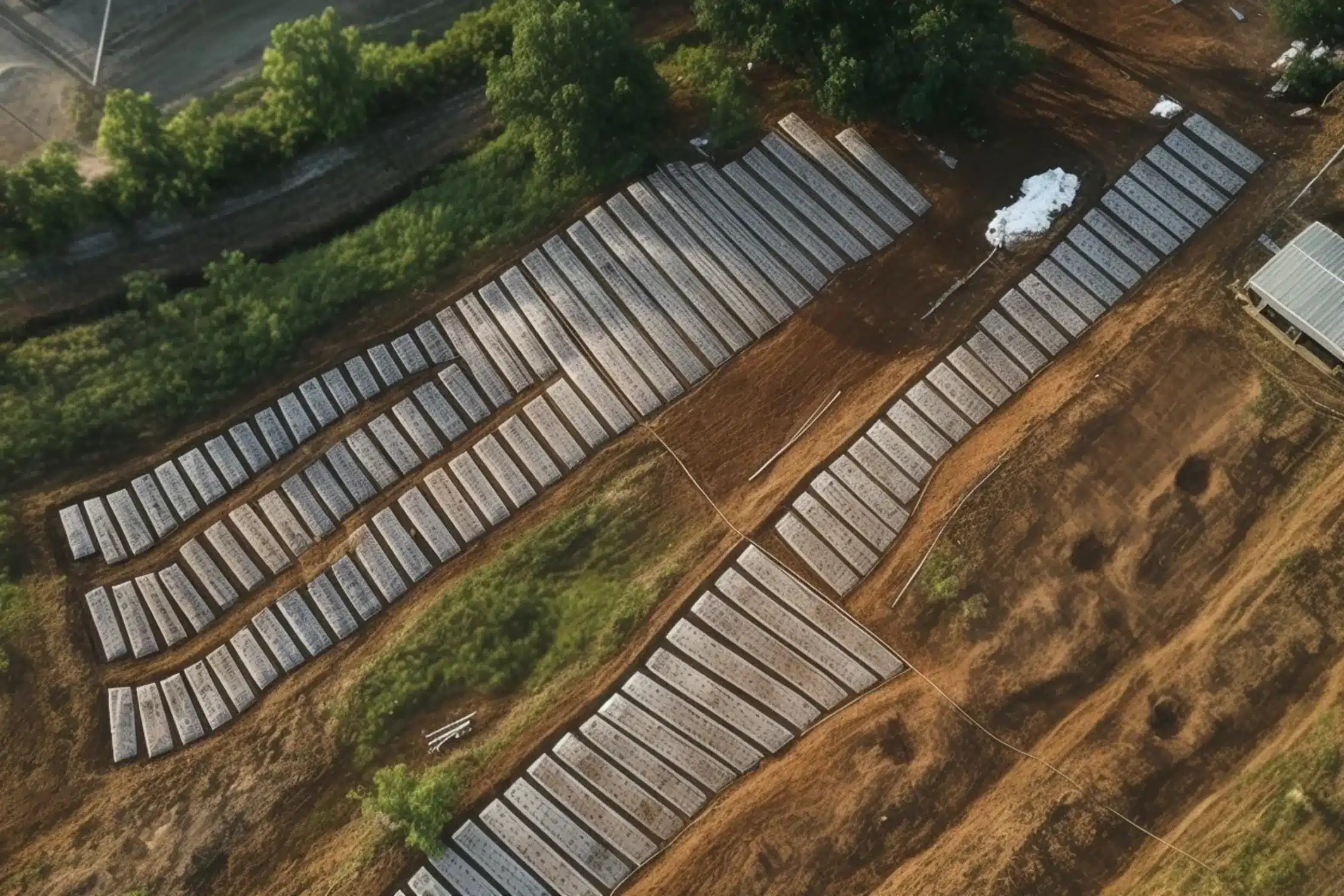
The future of agrivoltaics seems promising as emerging technologies continue to evolve. Innovations in solar panel efficiency and design, such as bifacial panels that capture sunlight from both sides, can lead to greater energy output without requiring additional land. These improvements can further enhance the synergy between crop production and solar energy.
Moreover, as food insecurity becomes a growing concern worldwide, agrivoltaics has a significant role to play in addressing these issues. By optimizing land use through this dual approach, it fosters not only increased agricultural productivity but also resilience in food systems.
How Farmers Can Adopt Agrivoltaic Systems
Farmers interested in adopting agrivoltaic systems can take practical steps to begin their journey. They should first conduct thorough research on the technology and its benefits. Seeking financial assistance is also crucial; various grants and funding options exist to support renewable energy projects in agriculture.
Additionally, training and educational programs can help farmers familiarize themselves with solar technologies, ensuring they maximize the benefits of agrivoltaics. Engaging with local agricultural extension services or renewable energy consultants can provide the necessary guidance through this transition.
Inspiring Growth Through Collaboration in Agrivoltaics
Collaboration is pivotal in promoting agrivoltaics effectively. Building partnerships among farmers, energy companies, and government agencies can streamline the implementation process. Such alliances facilitate knowledge sharing and resource allocation, bolstering successful agrivoltaic projects.
Community engagement is essential, too. Implementing agrivoltaics on a larger scale requires public awareness and support, fostering a culture of sustainability within the community. By engaging in collaborative efforts, stakeholders ensure that agrivoltaics becomes a cornerstone of modern agriculture, paving the way for a greener, economically viable future.