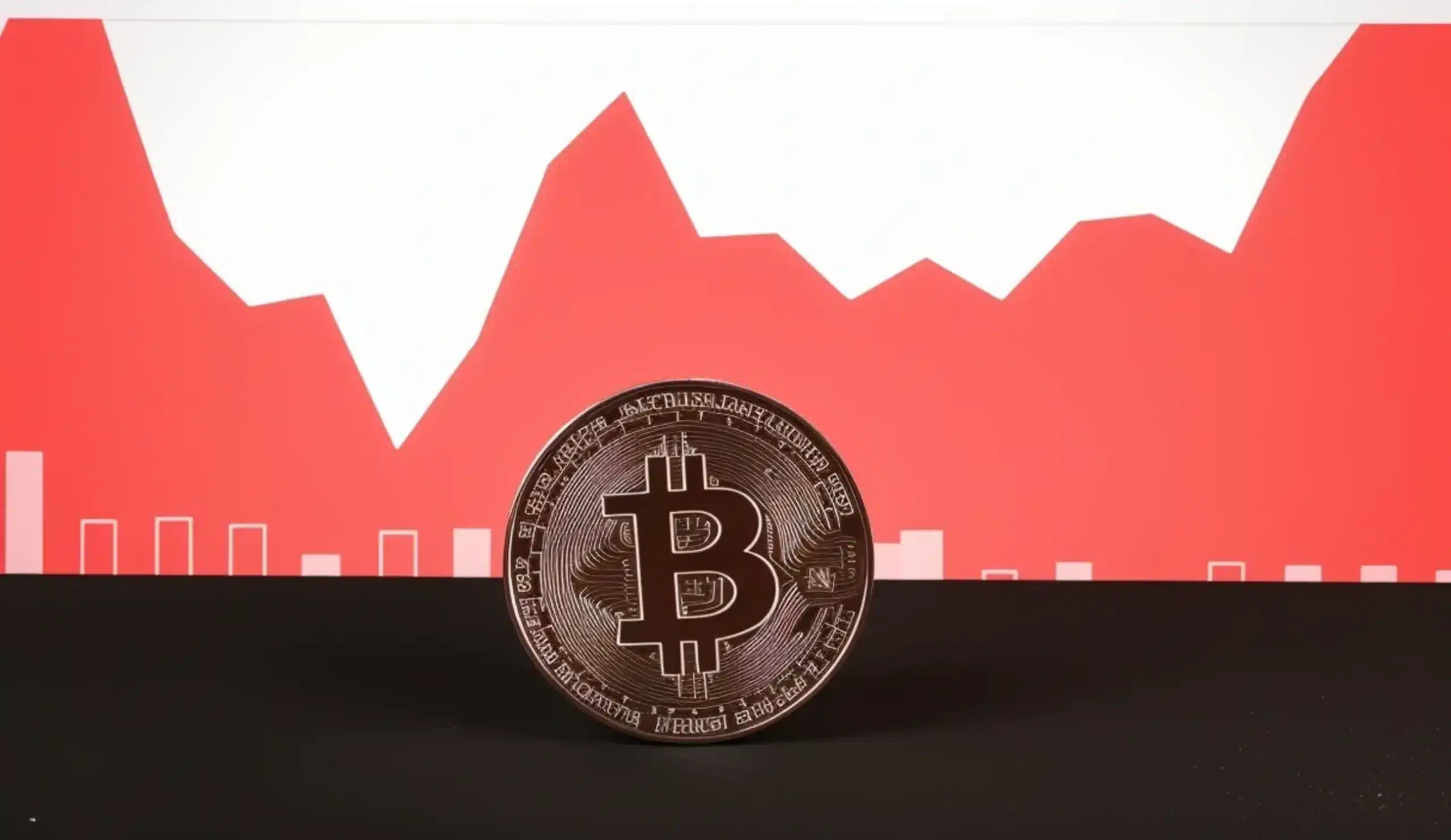











The recent decline in Bitcoin’s value has sent shockwaves through the cryptocurrency market, prompting many analysts to reassess their predictions for the future. This crash highlights the volatility inherent in cryptocurrency, particularly in the context of global economic uncertainty. As investors grapple with shifting sentiments, understanding what this means for Bitcoin predictions becomes crucial.
Current Market Overview
Bitcoin has recently fallen significantly, down about 20% since the start of 2026, and more than 40% from its recent all-time highs. This has led many investors to reconsider their positions, especially as they observe traditional safe-haven assets like gold and silver gaining appeal during turbulent times. As David Jagielski notes, Bitcoin is viewed by some as a speculative asset, reflecting its ongoing challenges to find stability.
The behavior of cryptocurrency markets is often perceived as a barometer for investor confidence. With many viewing this recent downturn as a confirmation of Bitcoin’s speculative nature, the landscape for Bitcoin predictions has become increasingly murky. Investors’ fears of a potential stock market bubble exacerbate concerns surrounding cryptocurrency’s viability as a safe investment, propelling a shift back to gold and silver.
The Ripple Effect of the Crash
The most immediate impact of the Bitcoin crash is felt across other cryptocurrencies and related markets. During periods of significant price fluctuations, cryptocurrencies tend to move in tandem, creating a challenging environment for risk management. As observed, when Bitcoin experiences sharp declines, altcoins often follow suit, magnifying investor anxiety.
Analysts are warning that the current volatility could lead to further declines, as indicated by suggestions of another potential crash for Bitcoin amid upcoming market rallies as analysts predict. This interconnectedness demands a nuanced understanding of market sentiment and investor behavior, particularly when forecasting potential rebounds.
Predicting the Future of Bitcoin
Amid these complexities, many are still bullish on Bitcoin’s long-term potential. Despite being viewed as speculative, there’s a consensus among some investors that Bitcoin could rise beyond $1 million in value. However, the major caveat is that the foundation for this belief hinges on Bitcoin emerging as a more stable asset in a world fraught with economic uncertainty.
The sentiment surrounding Bitcoin can already be observed in the investing community, particularly as market participants actively discuss its long-term viability. Investors must weigh the risks against potential rewards and consider how broader economic conditions influence investor behavior. For example, Bitcoin’s inclination to fall while traditional markets stabilize typically signals to cautious investors that they might seek out alternative investments, further complicating cryptocurrency predictions.
Factors Influencing Bitcoin Predictions
As the dynamics of the market continue to evolve, several factors will significantly influence future Bitcoin predictions:
– Regulatory Changes: The ongoing evolution of regulatory frameworks will likely impact Bitcoin’s adoption and market valuation.
– Technological Developments: Innovations within the blockchain space can enhance Bitcoin’s usability and stability, affecting investor confidence.
– Investor Sentiment: How institutional and retail investors perceive Bitcoin amid changing market conditions can drive price movements.
Given the unpredictability of cryptocurrencies, forming an accurate prediction requires careful analysis of these shifting factors. Whether the market embraces Bitcoin again or continues to shy away in favor of traditional assets will shape what the future holds for Bitcoin predictions.
In summary, the recent Bitcoin crash serves as a crucial reminder of the cryptocurrency’s volatile nature. While some remain optimistic about its future trajectory, the interplay between market behavior, economic conditions, and investor sentiment will ultimately determine how Bitcoin evolves in the coming years.