









As geopolitical tensions escalate, we are witnessing a direct impact on higher energy prices, influencing the global economy and various sectors. The current shifts in energy markets could reshape investment strategies and consumer behaviors, making it crucial to understand these changes right now.
How Higher Energy Prices Impact Global Economies
Higher energy prices do not only affect the cost of fuel; they send ripples through the entire economy. These fluctuations contribute to inflationary pressures, affecting everything from consumer goods to transportation costs. According to research, sustained higher oil prices can provoke a profound economic ripple effect, raising overall inflation and delaying essential monetary policies such as interest rate cuts. Countries reliant on energy imports, especially in Europe and Asia, are particularly vulnerable to these economic shifts, as their reliance sucks away financial resources that could be spent elsewhere.
Vulnerabilities of Energy-Importing Economies
Countries importing energy face a heavier burden during these turbulent times. For instance, countries heavily reliant on oil imports experience significant trade deficits when prices increase. This scenario puts pressure on their local currencies, making imports even more expensive. As energy prices rise, these nations can find themselves trapped in a cycle of diminishing purchasing power and escalating costs. Conversely, countries that are net energy exporters may benefit, seeing increased revenues that fortify their economies.
Benefiting and Suffering Sectors
When energy prices fluctuate, certain sectors may thrive while others plummet. Industries such as transportation and manufacturing often grapple with heightened operational costs. Conversely, segments within the energy sector, such as shipping and renewable energy production, tend to prosper in this climate. As noted by recent analyses, clear sector winners emerge—particularly in shipping and energy harvesting—while industries like airlines and chemicals experience distress due to skyrocketing fuel expenditures according to recent reports.
The Role of Geopolitical Factors in Energy Pricing
Recent global conflicts have significant ramifications for oil and gas costs, illustrating how geopolitical factors play a critical role in energy pricing. Events such as military actions, trade disputes, or sanctions can create supply shocks, leading to immediate price surges in the energy market. For instance, the tension surrounding oil-rich regions can disrupt supply chains, forcing prices upward and affecting everything from transportation to heating.
Implications for Energy-Distributing Countries
Countries that distribute energy, particularly those in politically unstable regions, can face both opportunities and threats. Instability can lead to unpredictable pricing, affecting the market’s stability overall. As industry experts note, political stability is essential for predictable energy markets, allowing for planned investments and development strategies.
Current State of Oil and Gas Markets
In the current environment, oil and gas prices have seen significant fluctuations, underscored by recent statistics showing elevated trends. For example, Brent crude oil prices recently spiked due to heightened tensions in key oil-producing regions, indicating a market reflecting geopolitical strains as noted in expert analysis.
Recent Price Spikes and Their Causes
Recent surveys highlight rapid price increases driven by sanctions, military escalations, and shifts in demand as countries transition towards different energy sources, including renewables. This creates a cocktail of volatility that requires nimble responses from businesses and consumers alike.
Sector Responses to Market Changes
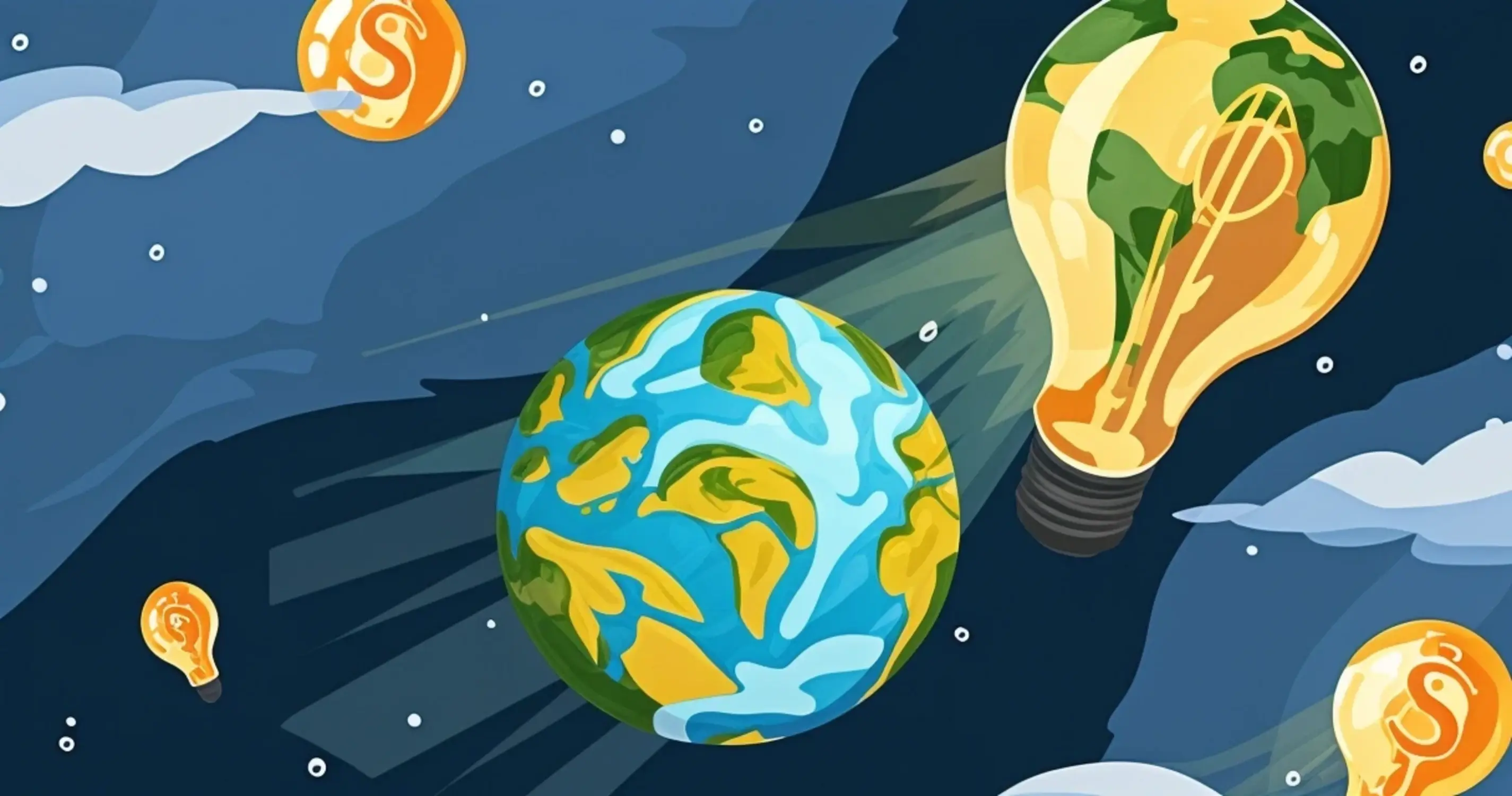
Various sectors approach these market shifts differently. Energy-intensive industries are likely to revise operational strategies to protect their bottom line from rising costs. On the other hand, technology-driven sectors may accelerate investment in alternative energy sources to cushion themselves against volatility.
Winners and Losers in the Energy Market
Not all industries experience the same fate. While the energy sector sees investment surging and profit margins climbing due to higher prices, others such as airlines and chemical manufacturers find themselves squeezed by rising operational costs. This scenario emphasizes the importance of diversification and adaptation in strategy.
Industry Winners
– Shipping: Increased demand as companies pivot to new energy sources.
– Energy producers: Those extracting and refining oil and gas see increased revenues.
– Renewable energy firms: Gain traction as businesses and consumers seek alternative sources amid high fossil fuel prices.
Industry Losers
– Airlines: Higher fuel costs can lead to reduced profits as operational expenses climb.
– Chemicals Sector: Heavily reliant on energy inputs, forcing price increases in consumer goods.
These shifts highlight the necessity for businesses to evaluate their energy strategies carefully.
Global Economic Shifts Due to Energy Price Fluctuations
The long-term implications of rising energy prices extend beyond immediate market trends; they reshape the global economy as a whole. Countries that rely on imported energy may face dire economic challenges, including inflation and slowed economic growth. These elevated costs may compel consumers to spend less, contracting overall economic activity.
Inflationary Pressures in Different Regions
Inflationary pressures vary by region. In energy-rich nations, strong revenues can bolster economic growth; however, in energy-dependent regions, prolonged high prices can stifle growth prospects. Compounding this issue is the potential for unrest and instability driven by economic dissatisfaction, emphasizing the interconnectedness of energy markets and global economic health.
Impact on Market Dynamics
Sustained higher energy prices can significantly reshape market dynamics, prompting a shift toward more sustainable practices and alternative energy investments. Businesses facing rising costs are looking towards innovations in energy efficiency and renewable resources to hedge against volatility in fossil fuel prices.
Actionable Steps for Businesses and Consumers
Both businesses and consumers can employ strategies to navigate the challenges posed by rising energy prices.
Strategies for Businesses
– Diversify energy sources: Invest in renewable technologies.
– Update operational efficiencies: Implement technologies that lower energy consumption.
– Hedge against volatility: Use financial instruments to lock in favorable energy prices.
Tips for Consumers
– Energy-efficient choices: Opt for energy-efficient appliances and vehicles to reduce consumption.
– Seek alternative options: Explore local renewable energy sources or subsidies for energy conservation projects.
Encouragement for Investment
Investing in alternative energy solutions is not just a trend; it’s a necessity in today’s volatile market. Embracing renewables not only protects purchasing power but also curtails reliance on uncontrollable global price fluctuations.