











As African nations increasingly adopt stablecoins to navigate economic instability and dollar dependence, the urgency for crafting local solutions has never been more critical. Understanding the role of stablecoins in this context is essential for ensuring financial sovereignty and fostering economic resilience across the continent.
Understanding the Rise of Stablecoins in Africa
The adoption of stablecoins in Africa has seen a remarkable increase, driven by various factors unique to the continent. Countries like Nigeria, South Africa, and Kenya exhibit significant engagement with these digital assets, largely due to rampant inflation and currency volatility that undermine local currencies. According to a recent analysis, the stablecoin market is worth approximately $300 billion, with US dollar-denominated stablecoins accounting for 99% of it. This growing interest reflects the pressing need for alternative currency mechanisms as citizens seek to secure their assets from the unpredictable economic environment.
Furthermore, stablecoins, a type of crypto-asset, have become essential tools for enhancing access to finance. They offer a solution to the limited availability of stable foreign currencies, allowing individuals and businesses to carry out transactions more efficiently, especially in regions where traditional banking services are underdeveloped. Consequently, the continuous rise of these digital currencies highlights both the financial necessity and the opportunity for innovation within Africa’s financial landscape.
The Risks of Dollarisation on Economic Sovereignty
While the adoption of US dollar-denominated stablecoins provides immediate benefits, it poses significant risks to local economies. Dollarisation can lead to a situation where countries become excessively dependent on the US dollar, undermining their economic sovereignty. This move toward dollarisation potentially destabilizes local currencies, as seen in various countries where economic disruptions arose from a lack of local monetary control.
The dependency on dollar-denominated stablecoins implies that national governments may scale back their monetary policies. As economic cases illustrate, this trend can foster vulnerability to fluctuations in the US economy, leaving local markets exposed to external shocks. In some instances, such reliance has already begun to weaken countries’ financial autonomy, forcing them into a precarious dependence on foreign currency stability—a scenario that experts warn against as it may exacerbate existing financial inequalities within African nations.
Current Trends in Digital Currency Adoption
The recent statistics on stablecoin usage in Africa reveal intriguing trends. With a burgeoning interest in crypto-assets, particularly during economic downturns, many citizens are turning to digital currencies for remittances, savings, and local transactions. Recent reports indicate that cryptocurrencies are rapidly reshaping traditional finance, allowing a broad spectrum of populations to participate in economic activities beyond government-issued currencies.
Additionally, the current economic climate, characterized by inflation and currency devaluation, has played a pivotal role in shaping attitudes toward digital currencies. Individuals in Africa are increasingly viewing stablecoins not only as a refuge for their savings but also as a means of facilitating trade and commerce. This shift in perception underscores the transformative potential of stablecoins as essential financial instruments in addressing critical economic challenges faced by many African nations today.
The Role of Central Banks in Regulating Stablecoins
African central banks hold key responsibilities in overseeing the stablecoin landscape. Regulation is vital to ensuring that these digital currencies align with national financial systems while fostering innovation. A well-crafted regulatory framework can bolster local stablecoin initiatives and mitigate risks associated with dollarisation. As experts suggest, such frameworks must balance innovation with risk management, protecting consumers and maintaining financial stability.
There is growing recognition among policymakers of the need to develop local alternatives to existing stablecoins. By establishing a unique digital currency framework, central banks can leverage technology to enhance financial inclusivity, create economic opportunities, and support the development of local enterprises. This type of proactive regulatory approach can pave the way for an ecosystem that encourages the responsible use of stablecoins while safeguarding national interests.
Creating Local Stablecoins to Enhance Financial Inclusion
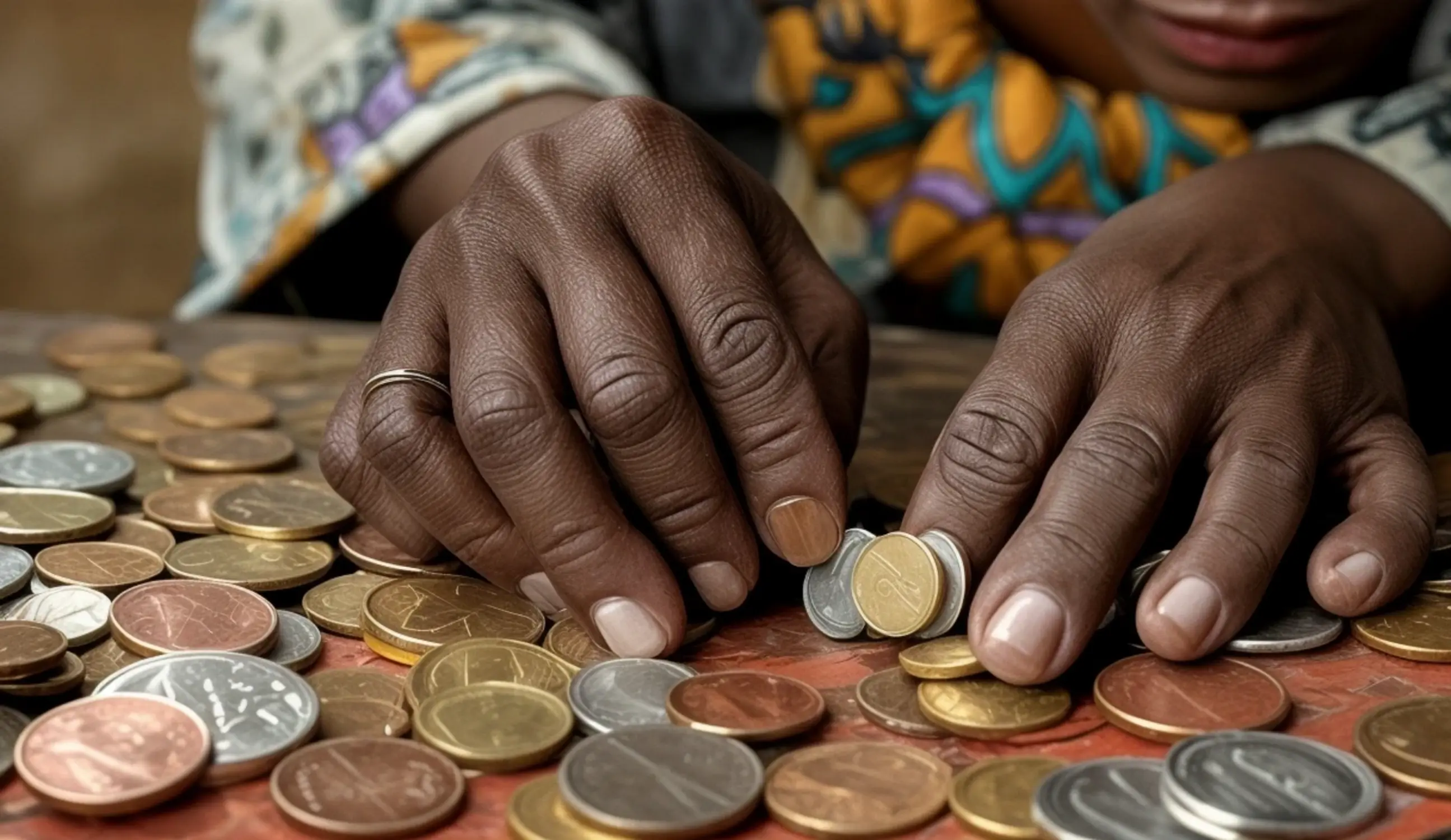
Developing local stablecoins can significantly enhance financial inclusion in Africa. By enabling transactions that accommodate local currencies, these digital assets could reduce reliance on foreign alternatives and empower local economies. Existing initiatives in several countries showcase the potential of local stablecoin projects, which align with the goal of providing affordable and accessible financial services.
A locally developed stablecoin could more effectively address the unique challenges of the African market. By taking into account local economic conditions and regulatory frameworks, these digital currencies could facilitate cross-border transactions and promote commerce among African nations. Moreover, local stablecoins can enhance trust in the financial system and stimulate economic activity by connecting businesses and consumers in entirely new ways.
International Support and Collaboration Opportunities
Global organizations have a pivotal role in aiding African nations in adopting stablecoins. Collaborations with international partners can help provide the necessary resources and technical expertise needed for successful implementations. For instance, policies driven by institutions such as the International Monetary Fund may encourage robust frameworks that further elevate the stablecoin market within Africa.
Moreover, existing partnerships illustrate potential collaborative paths leading to enhanced digital currency frameworks in the region. Countries can learn from one another by sharing best practices in regulation, technology, and consumer protections. By fostering these international relationships, African nations can build secure and sustainable digital financial systems that align with the global economy while preserving local financial sovereignty.
Future Perspectives on Stablecoins in Africa
Looking ahead, the evolution of stablecoins in Africa could radically transform the continent’s economic landscape. As digital currencies continue to gain traction, the potential to foster resilient local economies increases. The ongoing development of regulatory support will play a crucial role in shaping the future of stablecoins.
With continued innovation and a focus on partnership, African nations could create an ecosystem where stablecoins serve as catalysts for economic growth and financial inclusivity. By harnessing the power of technology and fostering collaboration among various stakeholders, stablecoins can bolster the necessary infrastructure to stimulate trade, facilitate investments, and enhance financial stability across the continent. The foresight and adaptability of African countries will determine how effectively they can navigate the promising yet challenging digital currency landscape.