











The global landscape of crypto regulation is shifting rapidly, especially in light of Russia’s recent sanctions. Understanding these changes is crucial for businesses and investors as they navigate the impacts on cryptocurrency and its regulation worldwide.
Significance of Crypto Regulation in Today’s Economy
The importance of crypto regulation has surged in recent years. As cryptocurrency grows into a significant sector, ensuring compliance protects investors and stabilizes markets. Well-structured regulations can prevent market manipulation and fraud, providing a safer environment for investment. With financial stakes involved in regulatory compliance reaching trillions of dollars globally, the need for a robust regulatory framework has never been more urgent. Nations that fail to establish effective regulations risk losing competitive advantages and exposing their economies to risks associated with unregulated financial activities.
Understanding Russia’s Crypto Sanctions
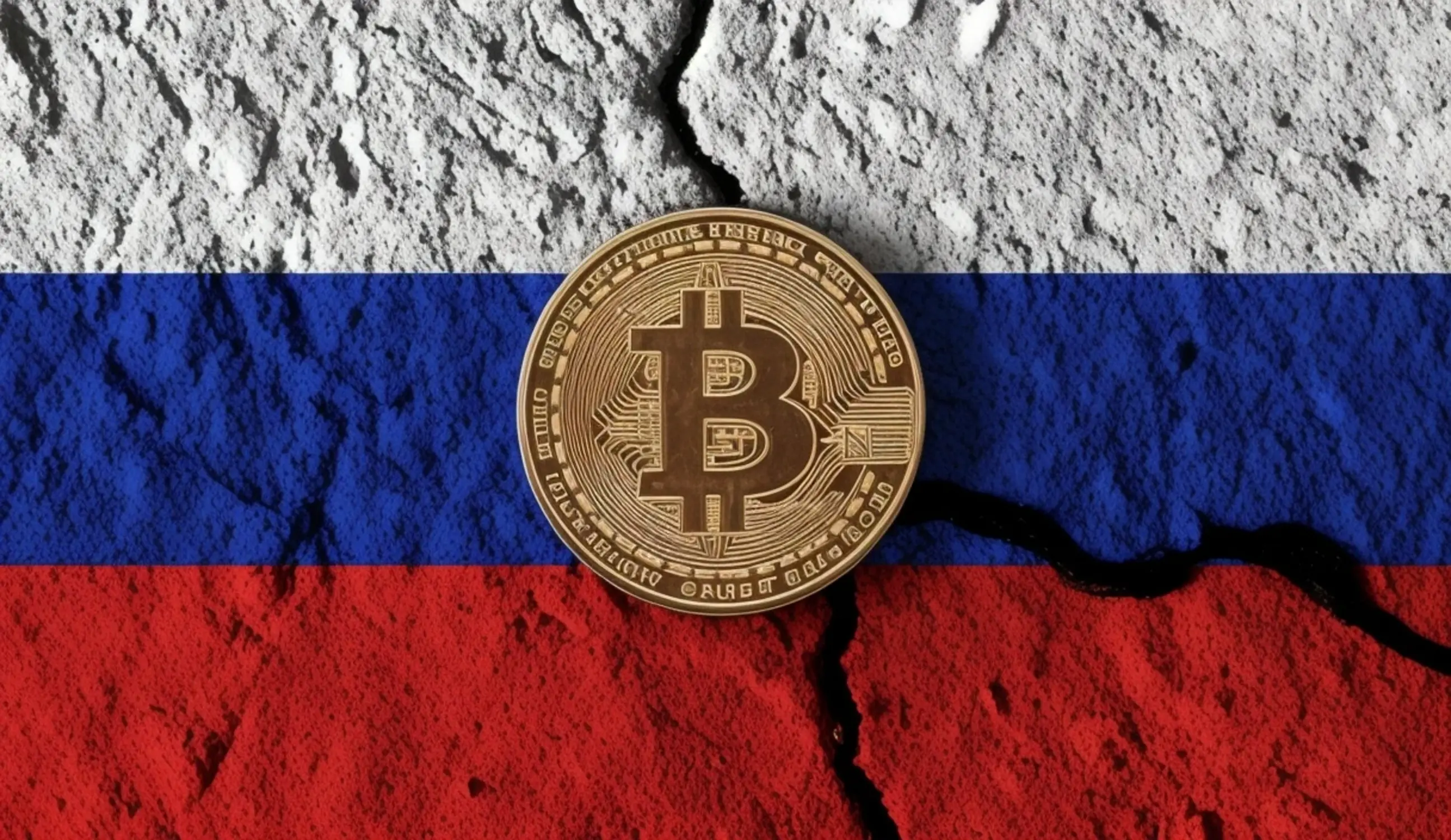
In response to geopolitical pressures, Russia has imposed specific sanctions targeting cryptocurrencies. These sanctions restrict Russian entities from accessing key crypto platforms, aiming to isolate the country from the broader crypto market. Unlike traditional economic sanctions that target goods and services directly, these crypto sanctions affect the flow of digital currencies and create barriers to transactions involving cryptocurrencies. As discussed in a recent analysis, such actions destabilize the operational framework for crypto exchanges and can lead to reduced liquidity and increased volatility.
Global Reactions to Russia’s Actions
The sanctions imposed by Russia have prompted various countries to reconsider their stances on crypto regulation. Western economies, in particular, are examining their policies to counteract the implications of Russia’s actions. For instance, countries like the United States have intensified discussions regarding their crypto regulatory frameworks, looking into unified responses that could strengthen global financial integrity. Major financial institutions are also weighing their roles in this landscape, as their strategies must adapt to the ever-evolving regulatory environment.
The Role of the EU in Crypto Regulation
The European Union is taking proactive steps in light of global events, adapting its crypto regulations to better address emerging challenges. New proposals seek to enhance transparency and mitigate risks associated with crypto transactions. As outlined in a comprehensive policy document, regulations like the Markets in Crypto-Assets Regulation (MiCA) are designed to create a unified regulatory framework across EU member states. The influence of EU rules could extend beyond Europe, potentially impacting regulatory approaches in other regions as policymakers observe the ramifications of these new regulations.
Implications of Sanctions for Cryptocurrency Adoption
The sanctions against Russia present significant implications for the adoption of cryptocurrency across various markets. Countries already grappling with internal conflicts or economic instability might perceive cryptocurrencies as viable alternatives for maintaining financial autonomy. However, the perception of crypto is also shifting; geopolitical tensions may lead to increased skepticism about its legitimacy and utility. As entities move towards decentralized finance and privacy coins, experts are debating how these trends could redefine market behaviors moving forward.
Navigating the New Regulatory Landscape
For businesses aiming to adapt to changing crypto regulations, understanding compliance and risk management is crucial. Executives need to stay informed about regulatory changes and be proactive in reassessing their strategies. Engaging with industry workshops and following reputable crypto news sources can provide valuable insights. Implementing a robust regulatory compliance framework can mitigate risks and prepare businesses for future regulatory shifts.
Future Prospects for Global Crypto Regulation
Looking ahead, the trajectory of global crypto regulation remains uncertain but hints at significant developments. There is an increasing recognition of the necessity for international cooperation in regulating cryptocurrencies. Ongoing dialogues among major economies underscore the collective effort to harmonize regulations. As called for by industry experts, the need for collaboration could lead to standardized approaches that enhance security, protect investors, and stabilize the crypto market, steering it towards a more regulated, less volatile future.