








The debate between Bitcoin and gold as safe-haven assets has intensified amid modern economic crises, making it crucial to understand their diverging paths. In today’s financial landscape, an examination of Bitcoin vs gold reveals stark contrasts in their roles and investor perceptions during times of uncertainty.
Economic Importance of Safe-Haven Assets
Gold has long been recognized as a traditional safe-haven asset. Its reliability stems from centuries of historical precedence; during economic downturns, investors typically flock to gold as a means of protecting their wealth. This trend is consistently observed as gold’s inherent value remains stable regardless of market volatility. Conversely, Bitcoin has emerged as a new contender for the title of safe-haven asset. Its allure lies in the decentralized and digital nature, appealing particularly to a younger generation of investors seeking alternatives to traditional assets. Economic trends heavily influence preferences for these assets, with many viewing Bitcoin as a hedge against inflation while others remain skeptical about its stability during economic upheaval, as highlighted by opinions from financial analysts indicating mixed sentiments towards these assets.
Current Market Trends in Bitcoin vs Gold
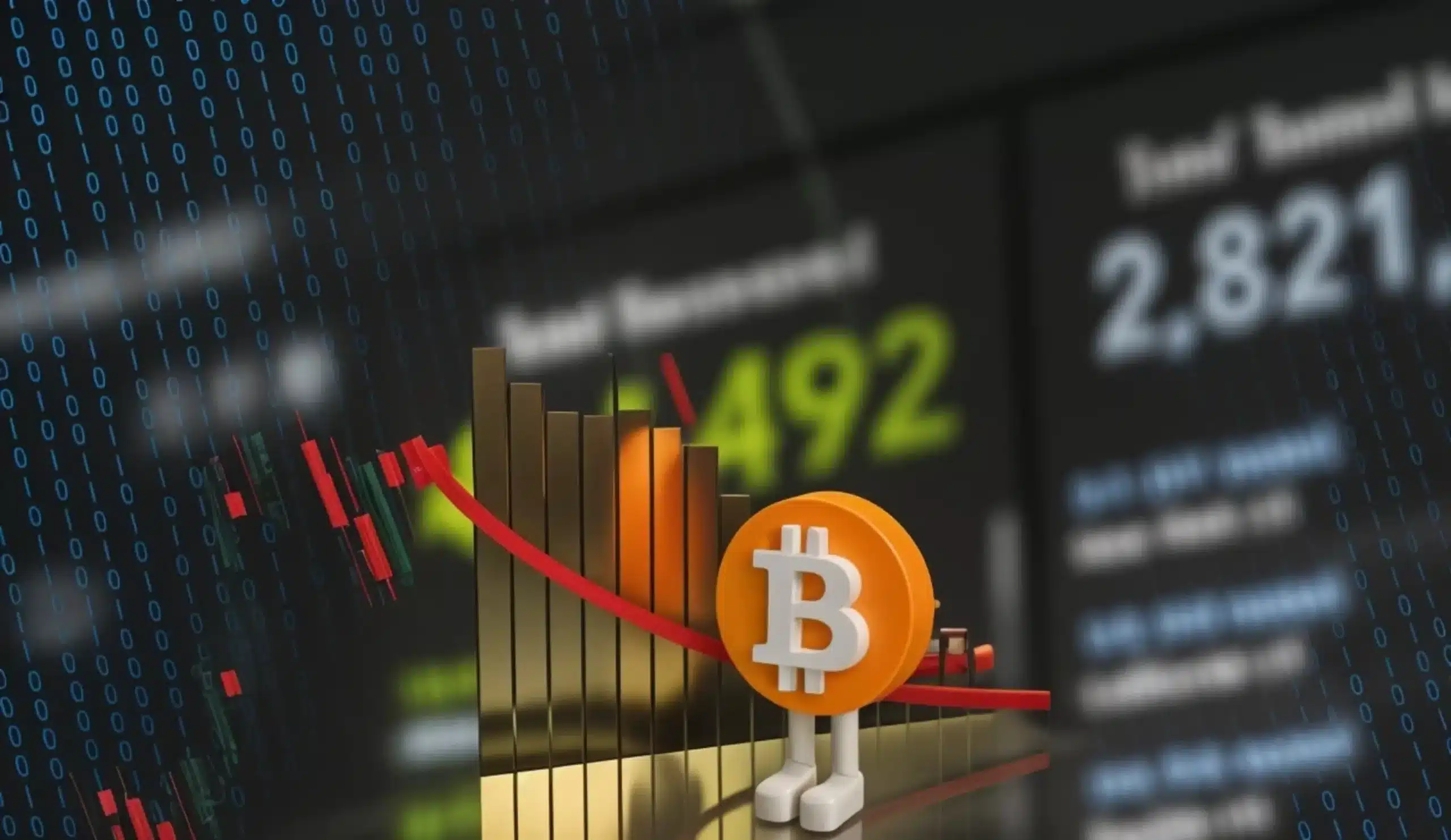
Recent performance metrics show a notable divergence between Bitcoin and gold. For instance, during significant economic downturns, gold has consistently outperformed Bitcoin, reinforcing its status as a safe haven. Data indicates that gold prices tend to surge as investor sentiment shifts towards caution and security. Observations by market analysts reveal that the demand for gold tends to rise during crises, while Bitcoin’s performance fluctuates more dramatically, often responding to short-term market trends rather than long-term stability. Moreover, this shift in investor sentiment significantly impacts asset valuation, with gold maintaining its perceived value in contrast to Bitcoin’s volatile nature where capital often moves away from it during economic disturbances, as reported in industry analyses.
Perceptions and Realities of Bitcoin
Despite its initial promise as a strong contender for safe-haven status, Bitcoin is increasingly seen as a riskier asset in times of economic instability. Historically, Bitcoin’s price has behaved similarly to speculative stocks rather than a stable store of value. Noteworthy market analysts, such as Ran Neuner, have expressed skepticism, stating, “For the first time in 12 years, I’m questioning Bitcoin’s thesis.” Such sentiments are further reinforced by the lack of stability in Bitcoin’s price amidst recent economic struggles. Analysts have observed that when economic pressures surfaces, capital has generally gravitated towards gold rather than Bitcoin, illustrating its shortcomings as a safe-haven asset. Therefore, while Bitcoin remains a staple of the modern crypto landscape, its role as a protective asset during crises is under scrutiny.

Gold’s Resurgence as a Preferred Asset
In sharp contrast, gold’s reliability during economic uncertainty has led to a resurgence in its popularity among investors. Gold’s historical significance as a trusted store of value is hard to overlook; when faced with inflation or economic downturns, gold typically sees an uptick in demand. Experts attribute this reliability to gold’s intrinsic value and its longstanding position within portfolios as a hedge against market instability. Factors such as geopolitical tensions, inflation expectations, and economic policy shifts are currently driving gold prices upwards. These aspects not only reinforce gold’s historical importance but also suggest a bright future as more investors seek security in uncertain times. With this confidence in gold, many are recalibrating their portfolios, reflecting a return to traditional safe-haven assets amidst heightened global instability.
Cryptocurrencies’ Role in Future Economies
Looking ahead, cryptocurrencies, including Bitcoin, are poised to play a transformative role in future economies, especially with the evolution of blockchain technology. Innovations in decentralized finance (DeFi) and integration of artificial intelligence present opportunities for the crypto market to develop new functionalities. While Bitcoin itself faces challenges in terms of stability and perception, the broader ecosystem of altcoins may capture useful applications and revenue models in a rapidly changing financial landscape. Emerging trends indicate that the crypto market could adapt to serve as a significant player in the financial sector, provided that key innovations mitigate existing volatility issues and enhance usability in practical scenarios.
Insights from Economic Experts
Insights from financial analysts provide a nuanced understanding of the dynamics between Bitcoin and gold. Analysts like James E. Thorne argue that preferences for these two assets symbolize broader economic sentiments. Thorne suggests, “For the record, Bitcoin is a bet on Trump’s success. Gold is a bet on America’s failure.” This highlights the psychological aspect of investing where personal beliefs and political climates can dramatically influence asset choices. Furthermore, analysts like Michael Burry have emphasized the need for a careful evaluation of economic policies that impact both Bitcoin and gold, hinting at a future where investment strategies may need to adapt to these systemic changes, ultimately influencing their respective roles in portfolios.
Actionable Considerations for Investors
For investors navigating the complex landscape of Bitcoin vs gold, diversifying between these assets could be a prudent strategy. Given their distinct characteristics, a balanced approach may mitigate risks associated with market volatility. Analysis of current economic indicators can also guide investment decisions, helping investors decide when to shift capital between assets. Moreover, understanding how investor sentiment correlates with the performance of Bitcoin and gold will be vital for making informed choices in uncertain times. In sum, maintaining awareness of market conditions along with a diversified investment strategy could provide the resilience needed in today’s economic climate.