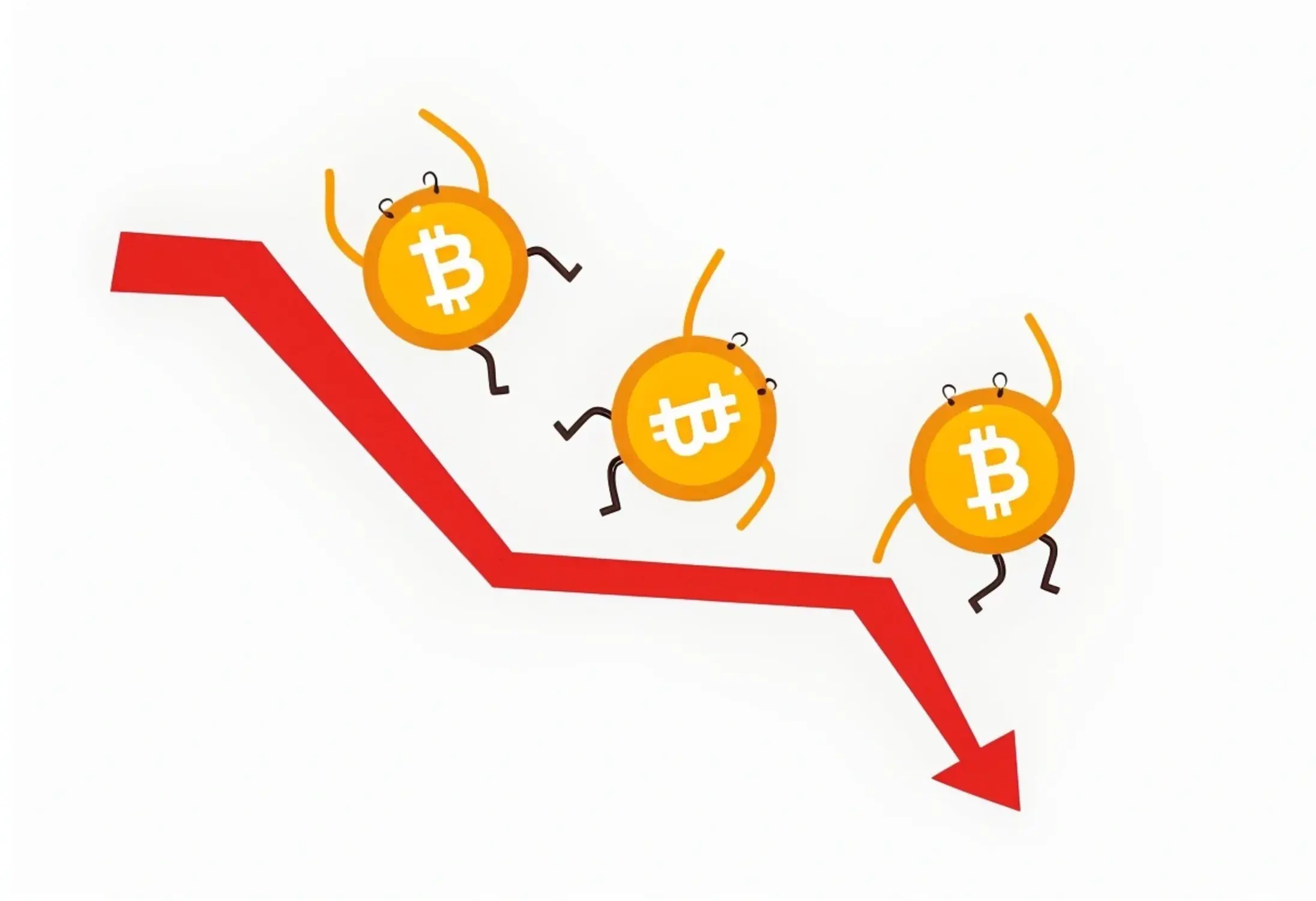











As the landscape for crypto ATMs evolves, recent legislative actions are crucial for investors and users alike. Stricter regulations aim to enhance fraud prevention and ensure digital currency access in a safer environment. Understanding these changes is essential for navigating the future of crypto transactions.
Importance of Regulation for Crypto ATMs
Recent state laws have significantly influenced the operation of crypto ATMs across the U.S. Regulations are being crafted to bolster consumer protection and establish a safer environment for users engaging in digital currency transactions. According to the American Bankers Association, many states are drafting and enacting stricter rules that impact how these kiosks operate.
One of the primary implications of these regulations is increased safety for consumers. As fraud continues to pose a significant risk, regulation becomes vital for fraud prevention. States are emphasizing compliance measures and operational transparency, linking these concepts directly to consumer safety. Moreover, as more regulations emerge, users can expect better protections against scams and fraud schemes linked to these kiosks. Thus, effectively implementing these regulations could build greater trust in using crypto ATMs.
Current State of Crypto ATMs in the U.S.
The operational status of crypto ATMs varies significantly from one state to another, with some states implementing bans while others have adopted new restrictions. For instance, Indiana recently enacted a total ban on crypto ATMs, largely attributed to a rising number of scams associated with these kiosks, which contributed to reported losses of nearly $246.7 million in 2024, underscoring the urgent need for regulatory oversight. Reports indicate that the state’s decisive action reflects broader concerns over the operational integrity of these machines and their association with illicit activities.
Moreover, as of 2024, over 20 states have instituted regulations that limit crypto ATM operations, reflecting a national trend toward increased scrutiny and oversight of digital currency access. In many regions, users have reported scams linked to these kiosks, emphasizing the necessity for regulatory measures to combat fraud. Addressing these concerns proactively can potentially mitigate damages and enhance user confidence in crypto ATMs.
Rising Fraud and Regulatory Scrutiny
The rise in complaints and financial losses associated with crypto ATMs has drawn attention from regulatory bodies and law enforcement agencies. In 2024 alone, the FBI’s Internet Crime Complaint Center reported receiving over 10,956 complaints related to crypto ATM activities, leading to alarm about the substantial losses incurred by victims, estimated at approximately $246.7 million. Such figures indicate a growing concern about the vulnerability of users engaging with these machines.
The role of organizations like the FBI becomes pivotal as they monitor and investigate fraud cases. This increased scrutiny is pushing operators to adopt more stringent operational practices. By tightening regulatory frameworks and enhancing consumer protections, there is hope for reducing the incidence of fraud while simultaneously encouraging safe use of crypto ATMs.

Impact of Legislation on Digital Currency Access
New restrictions on crypto ATMs raise central questions about user access to digital currencies. Some consumers may find it challenging to engage with digital assets as regulations restrict the availability of these kiosks. Data from various states show that those imposing strict regulatory measures tend to see a decline in consumer engagement with digital currencies.
For instance, states like Indiana have become examples of the push for stringent legal frameworks, creating a ripple effect across the nation. Feedback from users in these regulated areas illustrates mixed sentiments; while some appreciate enhanced security, others express frustration over diminished accessibility. Navigating this regulatory landscape presents both challenges and benefits for consumers, leading to a complex dialogue about balancing security needs with the freedom of access to digital currencies.
Future Trends in Crypto ATM Operations
Looking ahead, several legislative proposals are on the horizon that could further shape crypto ATM operations. It is crucial to anticipate these developments as they may influence how these machines adapt to stay compliant with new regulations. The speed of technological advancement will likely respond to ongoing regulatory changes, pushing crypto ATM operators to innovate continuously.
As states consider further regulations, operators might need to implement enhanced security measures and reporting structures to align with compliance requirements. Moreover, staying informed will be vital for both users and operators as they navigate this evolving landscape. Future trends may indicate a shift toward creating more transparent and safer environments for crypto transactions.
Steps for Users to Stay Informed and Safe
As the regulatory environment for crypto ATMs becomes increasingly complex, users need to take proactive steps to ensure safety while engaging with these machines. Here are some recommendations:
– Identify secure crypto ATMs: Research and verify the legitimacy of the operating companies behind these kiosks.
– Stay updated: Leverage resources such as local financial news and regulatory bodies to receive real-time updates on applicable state laws.
– Community involvement: Engage in advocacy efforts that promote user rights and push for balanced regulations.
By remaining informed and community-focused, users can help shape a safer landscape for crypto transactions while ensuring that their rights are protected.