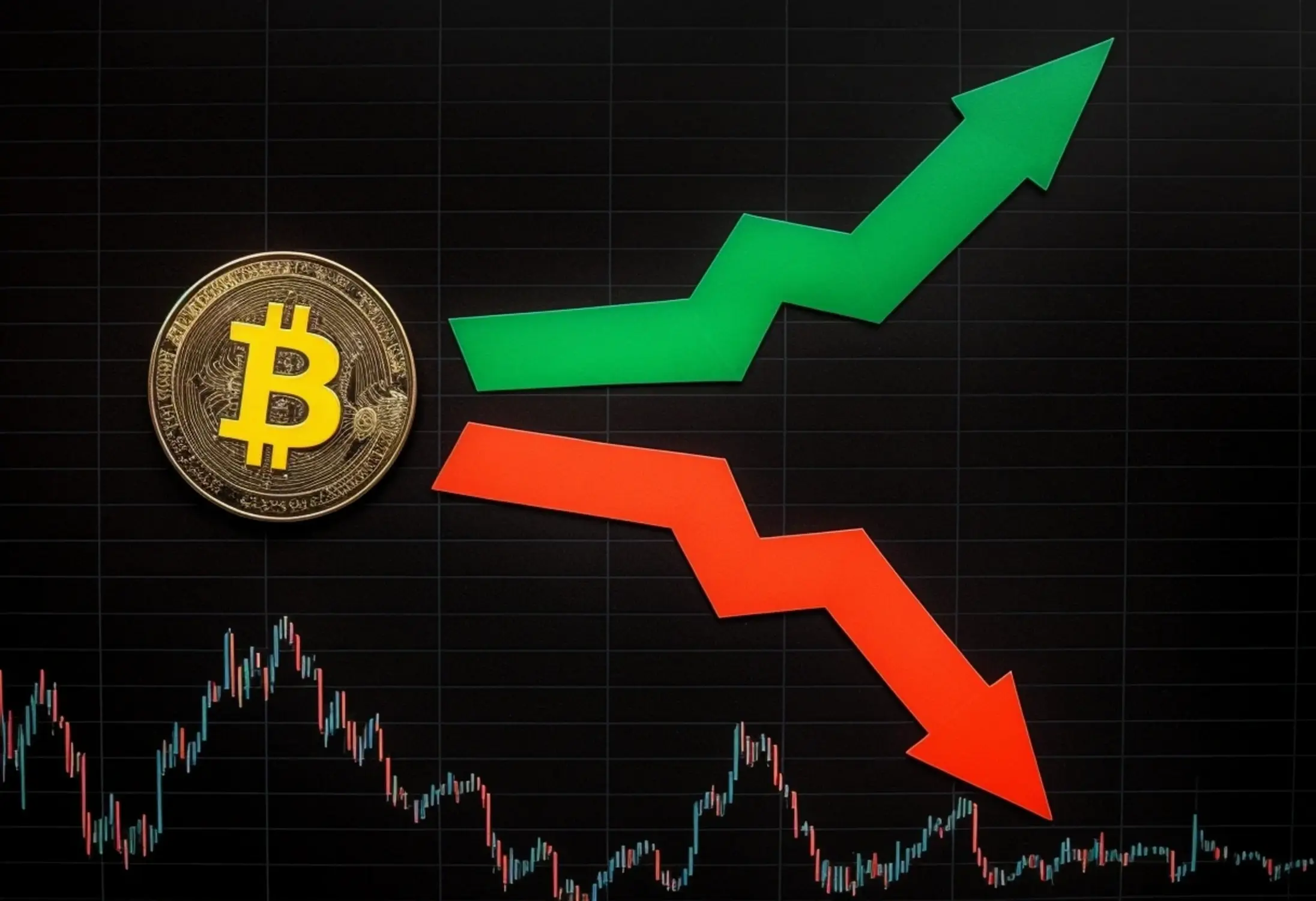











As global events rapidly unfold, the impact of global events on cryptocurrency has become increasingly critical for investors. Bitcoin’s recent volatility, particularly amid sanctions, reveals how external factors can shape market dynamics, prompting stakeholders to adapt their strategies accordingly.
Why Bitcoin’s Volatility is a Key Concern
Bitcoin’s reputation as a volatile asset draws attention, especially during uncertain times. Unlike traditional investments, its price can swing wildly based on market sentiments and external triggers. This volatility is particularly pronounced in response to global events, causing drastic price shifts impacting investor confidence. For instance, recent sanctions have shown that a single announcement can send Bitcoin’s price tumbling. Investors are often left scrambling to adapt to these fluctuations, which can lead to a loss of faith in cryptocurrencies as a stable investment option. As geopolitical tensions rise, the market reacts swiftly, indicating just how sensitive the crypto landscape has become.
The Role of Sanctions on Crypto Markets
Geopolitical sanctions play a significant role in influencing cryptocurrency trading activity. They often disrupt traditional financial systems, pushing investors toward alternative assets like Bitcoin. This shift can create an influx of speculative trading, increasing price volatility. An analysis of past sanctions reveals that significant geopolitical events, such as military conflicts or political upheaval, have led to notable declines in Bitcoin prices. For example, when sanctions were placed on countries like Iran, Bitcoin showed signs of initial growth, followed by a steep decline once tensions escalated. This pattern raises questions about how investors strategize in the face of regulatory changes, often leading to defensive postures and asset reallocations.
Current Reaction to Geopolitical Events
Recent examples illustrate how the crypto market reacts to geopolitical conflicts with significant precision. For instance, during airstrikes in the Middle East, Bitcoin’s price dropped drastically, wiping out approximately $128 billion from the market in about an hour as traders anticipated the potential for escalation in conflict. Bitcoin fell 3.8% to $63,038 before stabilizing near $64,000, showcasing just one instance where market sentiments shifted rapidly in response to world events. Such immediate reactions are becoming common, prompting investors to monitor news cycles closely. Whether this trend will continue hinges on broader geopolitical shifts and how investors navigate this turbulent landscape.
Impact of Global Events on Cryptocurrency
The correlation between global crises and fluctuations in crypto markets is increasingly evident. As various crises unfold, from military conflicts to economic sanctions, Bitcoin and other cryptocurrencies often see sharp price movements. The media’s coverage of these events plays a crucial role, influencing investor sentiment and driving market reactions. Staying informed about global developments is imperative for crypto investors; understanding the impact of news cycles on price volatility can arm investors with the necessary insights to make informed decisions. As the crypto space evolves, those who adapt their strategies in line with geopolitical realities may find themselves at a distinct advantage.
Bitcoin Price Crash: What Happened?
Analyzing Bitcoin’s recent price crash reveals the market’s vulnerability to external shocks. Following heightened tensions in the Middle East, Bitcoin experienced a swift decline, causing widespread concern among traders. The market’s reaction was visceral, leading many to liquidate positions in anticipation of deeper losses. Psychological factors also played a significant role in this downturn; fear and panic among investors often exacerbate price declines, making recovery all the more challenging. This episode serves as a reminder of how susceptible cryptocurrencies are to sentiment shifts, particularly regarding geopolitical events.
Strategic Responses for Investors
Given the current market landscape, investors must adopt actionable strategies to navigate cryptocurrency volatility effectively. Here are some approaches worth considering:
– Diversification: Spread investments across different cryptocurrencies and asset classes to mitigate risk.
– Risk Management: Implement stop-loss orders to limit potential losses during turbulent market conditions.
– Stay Informed: Regularly follow developments related to global events that could impact the crypto market.
– Psychological Preparedness: Understand the emotional triggers that can lead to panic selling or hasty investment decisions.
By utilizing these strategies, investors can better protect their capital against sudden market shifts and may even identify opportunities to capitalize on Bitcoin’s volatility. In an ever-changing geopolitical landscape, those who remain vigilant and informed will likely emerge as the most resilient participants in the crypto market.