









As Bitcoin miners navigate the complexities of the cryptocurrency landscape, they play a pivotal role in shaping market dynamics and economic outcomes. Understanding their influence is crucial for investors and stakeholders keen on maximizing their positions in today’s rapidly evolving digital economy.
The Role of Bitcoin Miners in Market Dynamics
Bitcoin miners are fundamental to maintaining the structural integrity of the Bitcoin network. By validating transactions and adding them to the blockchain, they ensure that the system remains secure and trustworthy. With each completed block, miners contribute to the overall stability of the network, preventing double-spending and creating a reliable transactional environment. As highlighted in recent discussions on the cryptocurrency landscape, miners’ activities directly impact network security and, in turn, influence transaction speeds and costs.
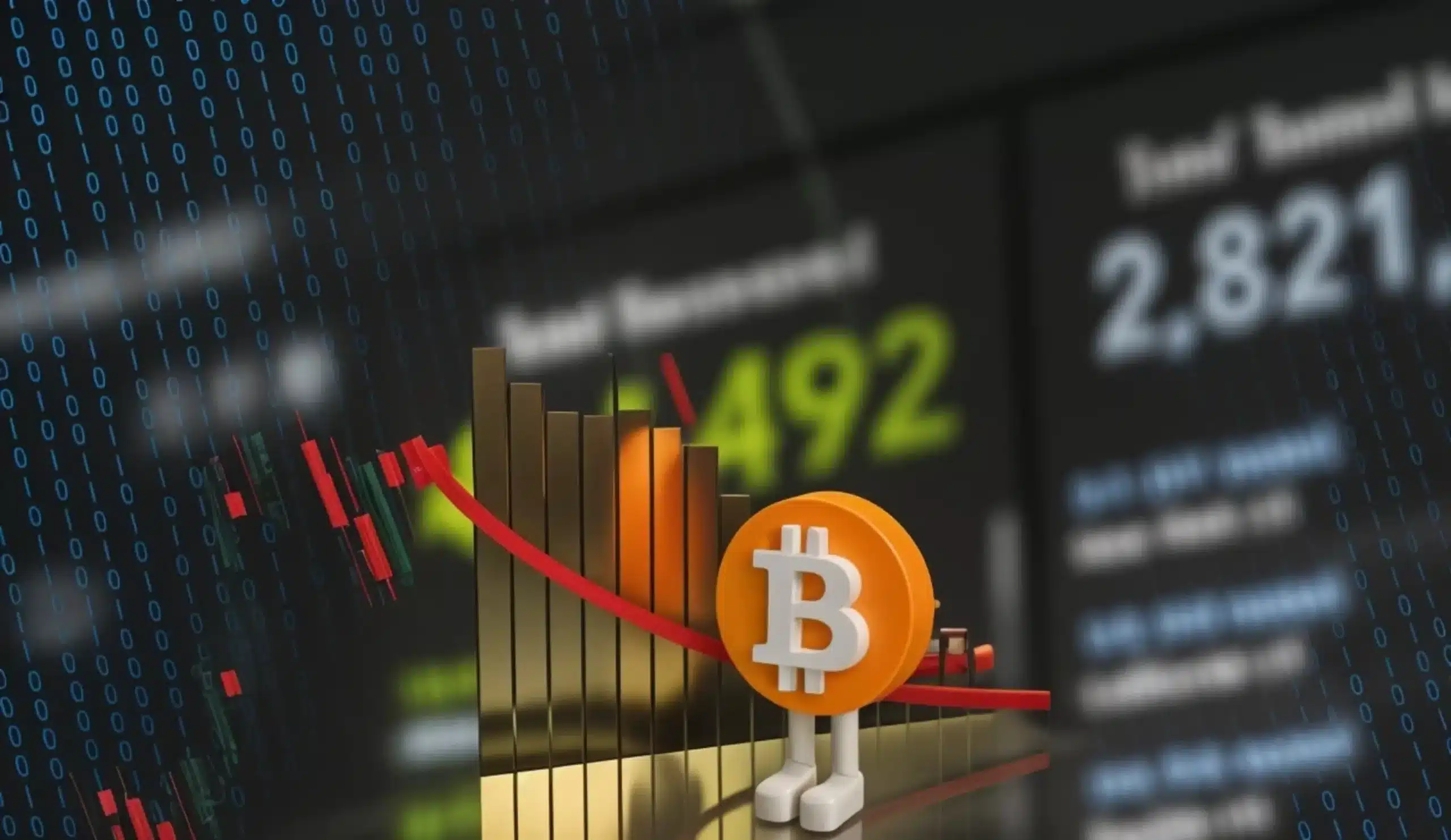
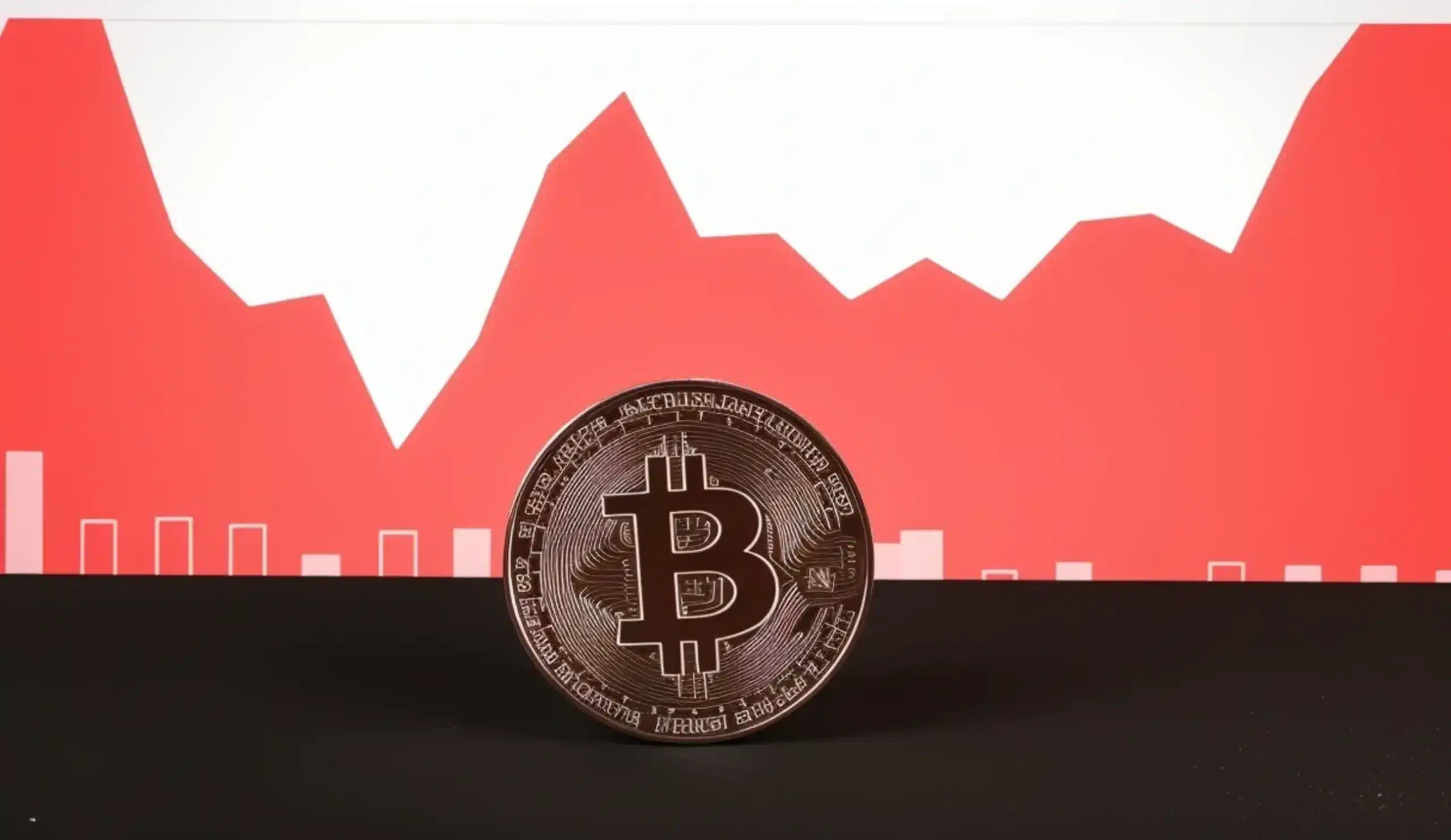
Additionally, mining activity correlates with price fluctuations in the Bitcoin market. When mining becomes more resource-intensive due to increased competition or regulatory changes, the costs invariably affect the final price of Bitcoin. A growing hash rate, for example, often indicates greater miner involvement, which many investors interpret as a sign of rising market confidence. Yet, with increasing competition, miners may also face reduced profitability, leading to potential declines in Bitcoin pricing, as shown in recent analyses.
Understanding Price Target Adjustments
Price target adjustments often reflect the operational realities of Bitcoin miners. When mining costs fluctuate—due in part to energy prices or technological advancements—markets may adjust their expectations accordingly. For instance, if miners report declining profitability, analysts often lower their price targets based on anticipated market conditions.
Market expectations around miner profitability are an important factor in these adjustments. If mining operations become too costly, it may deter new investment and innovation, leading to a stagnant market. Consequently, understanding the impact of miner profitability on Bitcoin price targets is essential for investors who want to anticipate market movements in this volatile environment.
Moreover, regulatory changes can trigger swift shifts in price targets. Recent adjustments indicated that analysts cut expectations for leading miners like those highlighted in various industry reports. As such, aligning these developments with price predictions is critical for developing a comprehensive Bitcoin market analysis and informing investment decisions.
Cryptocurrency Economy: Current Developments
The cryptocurrency economy is experiencing transformative trends largely fueled by mining operations. Investments in Bitcoin remain significant, as the demand for mined assets influences market growth. Miners not only provide the necessary supply of Bitcoin but also contribute to overall market confidence within the crypto space.
Furthermore, shifts in market confidence often stem from miner actions. When miners successfully navigate regulatory landscapes or enhance their operational efficiency, it can bolster investor optimism. For instance, an increase in the network’s hash rate signifies robust miner investment, leading to heightened faith in Bitcoin’s future growth. Recent data reveal that the crypto economy has recorded growth rates directly connected to miner contributions, underscoring their importance in the broader digital market landscape.
Bitcoin Miners: Drivers of Network Security
The collective power of Bitcoin miners plays a crucial role in enhancing network security. By maintaining a high hash rate, miners fortify the network against potential attacks, ensuring that transactions remain secure and reliable. However, centralization remains a pressing concern. If mining operations become concentrated among a few entities, the risk of attacks increases significantly.
Examining the correlation between hash rate and market confidence reveals that a higher hash rate typically signals stronger security measures, thereby reassuring investors. Conversely, when hash rates are low, market participants may perceive a heightened risk, leading to lower confidence and potentially reduced Bitcoin prices. As industry experts note, understanding these dynamics helps explain the intertwined nature of mining activities and market sentiment.

Market Sentiment and Miners’ Influence
The relationship between mining events and market sentiment is complex and often interrelated. Major mining events, such as the halving or changes in mining fees, can lead to significant shifts in how the market perceives Bitcoin’s future value. For instance, a successful halving typically results in bullish sentiments, whereas challenges faced by miners can lead to bearish trends.
Miners’ decisions, such as adjusting operations in response to regulatory challenges or market conditions, reflect broader economic trends. By analyzing case studies of miner actions, experts can determine how these decisions influence market responses. The proactive strategies adopted by miners can promote both stability and growth within the cryptocurrency economy, making it essential for investors to remain attuned to these dynamics.
Future Outlook for Bitcoin Miners
Looking ahead, the future of Bitcoin miners is poised for evolution driven by technological advancements and regulatory shifts. Innovations in mining technology, such as energy-efficient hardware, can significantly alter the landscape, making it more economically viable for miners to operate. As energy costs remain a critical factor, shifts towards renewable energy resources may set a precedent for sustainable mining practices.
Moreover, potential regulatory changes could reshape how miners operate, influencing everything from operational costs to profit margins. Industry experts believe that adapting to these changes is essential for long-term sustainability in the mining sector. Analyzing current trends and their implications will be crucial in forecasting the future of Bitcoin mining and its contributions to the broader cryptocurrency economy.